You would be surprised how much bearing weather has on the outcome of a pressure wash job in Australia. To put it plainly, you get the best results when conditions are dry and mild with little wind; there should be some warmth to see the surface through to a steady dry but not enough for detergents to flash off. In Australia that is most often a morning affair in the spring or autumn, although one finds the optimum time can vary considerably from Brisbane and regional Queensland to the north or the more temperate southern states.
Natalie Nowak here. My experience in the field has taught me that timing is superior to brute force. There is a tendency to think upping the pressure is the answer to everything, yet the weather dictates the chemistry of the clean, the drying time and your safety. It also determines if mould and algae will make an unwelcome reappearance a week later like a relative you have to put up with after Christmas lunch.
The case for good timing
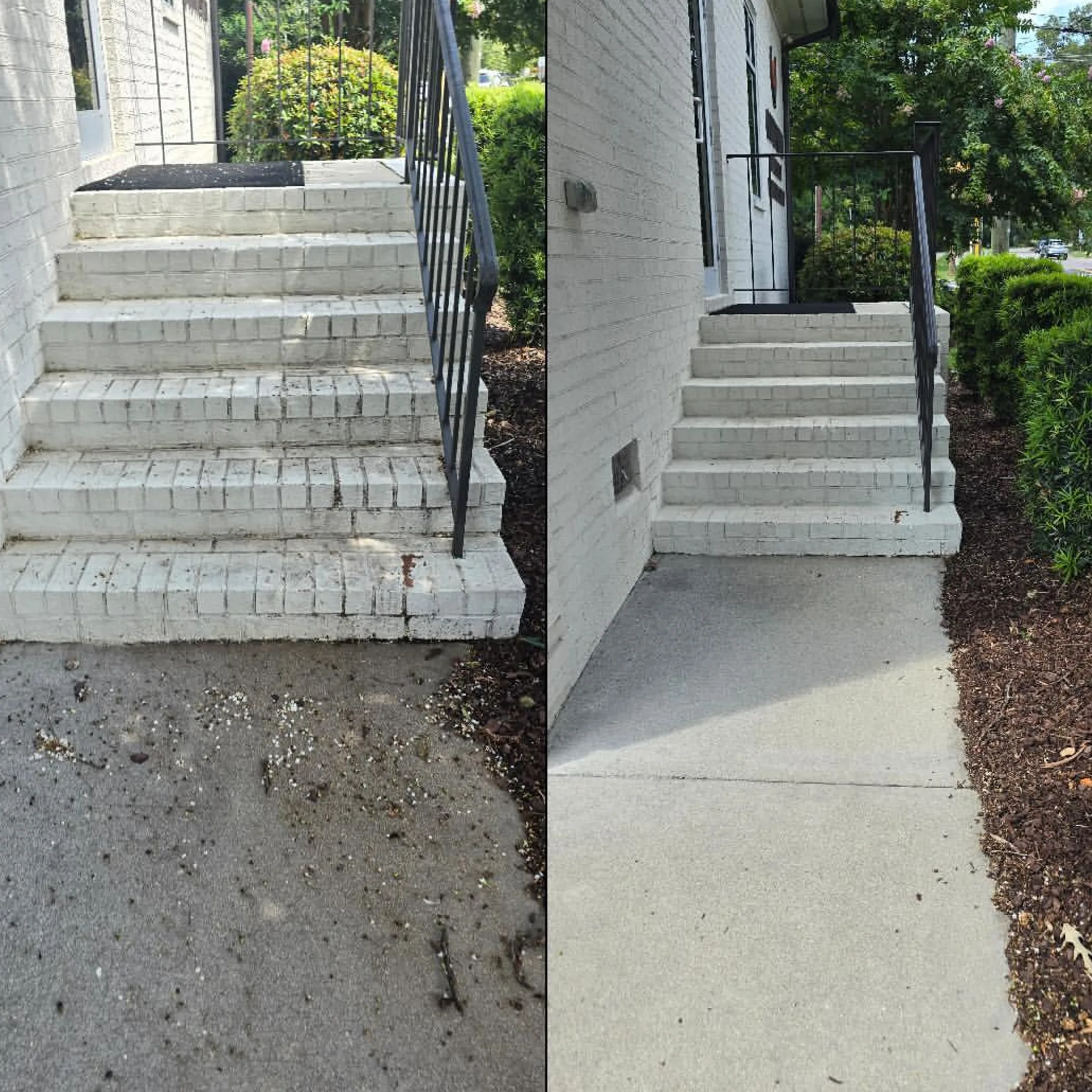
It is the difference between an even finish and patchiness that the sun will not let you hide on a driveway, paver or pool surround. Proper timing is economical on water and labour and spares you some frustration. You do not simply pressure clean a driveway because Saturday happens to be free; knowing the ideal time for driveway pressure cleaning is essential, so you do it when the wind, humidity and recent rainfall are in your favour so the grime comes up and the area is dry before leaf litter or spores have a chance to settle.
Where people go wrong
One will see folks cleaning after a cold, damp spell late in the day and then be at a loss as to why the concrete is still clammy come evening. Or in summer they will put a hot driveway in Brisbane through the wringer at midday; the evaporation in these parts will have the detergent dry too quick for consistent work.
Then there is the matter of not making allowances for the different natures of oily residue, tyre marks, dust and mould. A front path baked by the sun in the dry is not the same as a shaded driveway on the southern side come after a rain.
Heat and what it does
Some warmth is fine, it aids the chemistry and dries things down. But do not mistake fierce heat for an ally. Excessive heat will hasten evaporation, cut into the dwell time of your detergents and lead to streaking.
When I write of practical routines this is the kind of thing to take note of. Pressure washing is as much about not going at the weather like a galah with a car mirror as it is the actual cleaning.
Cleaning chemistry and temperature
To break down traffic residue, grease or a film of mould, any decent solution requires contact time. Make the surface too hot and it dries on top of you, leaving a patchy look on darker pavers and concrete. As a rule of thumb, if you cannot keep your hand on the driveway for a few seconds without discomfort, wait on it. An early start in the summer is preferable to the late afternoon when the slab has been hoarding all day’s heat.
The trouble with fast evaporation
High heat gives you less control over drying and can result in lap marks and uneven action from the detergent, requiring extra rinse passes and more time with the wand. The reality is extreme summer heat can be hard on the quality of the finish on an open rendered surface or driveway, contrary to what some may expect of the season.
Rain, humidity and regrowth
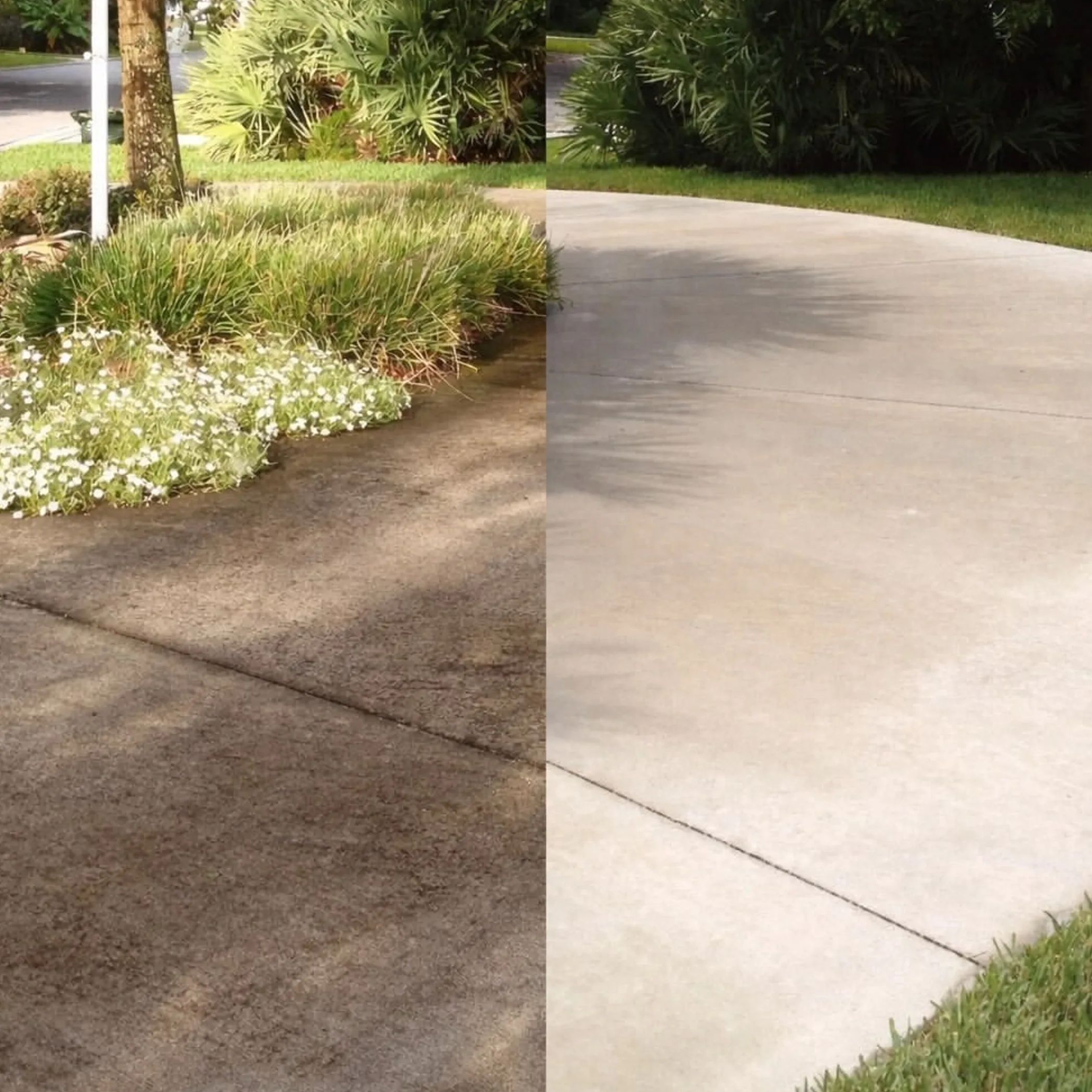
Moisture lingers in porous surfaces so humidity and pressure washing have a relationship of sorts. Drying is slower in high humidity and in the coastal suburbs and shade it affords algae and mould a leg up.
Rain is messier. It can dilute agents and run fine debris over what you have just put in order, not to mention interfere with the bonding of treatments.
Doing it in the rain?
On occasion, yes, but for a quality job on paving or a driveway prone to mould it is seldom the way to go. Runoff is affected and visibility is poor; the rain will see to it that your detergents are washed away. A drizzle is tolerable, anything more is not. When the substrate is left wet from sufficient rain to seep into low spots and refill joints and pits, one can expect the results to be compromised. The same holds for safety in the vicinity of smooth sealed surfaces, electrical gear or any slope.
Mould, Damp And Algae
Humid coastal locales present a particular risk of regrowth. A driveway might be spotless for the day but spores will linger in the pores; put that together with sticky weather and a green film has a way of making a quicker comeback than you would think. You will see it in the shade of trees, by a fence where there is little air movement or up against a retaining wall.
In Queensland and the north of Australia good work can be undone in short order by a few humid days post cleaning. Down in southern Australia the problem is not so much explosive as it is persistent, the winter dampness fostering a slow and stubborn type of regrowth.
The Elements: Wind And Sun
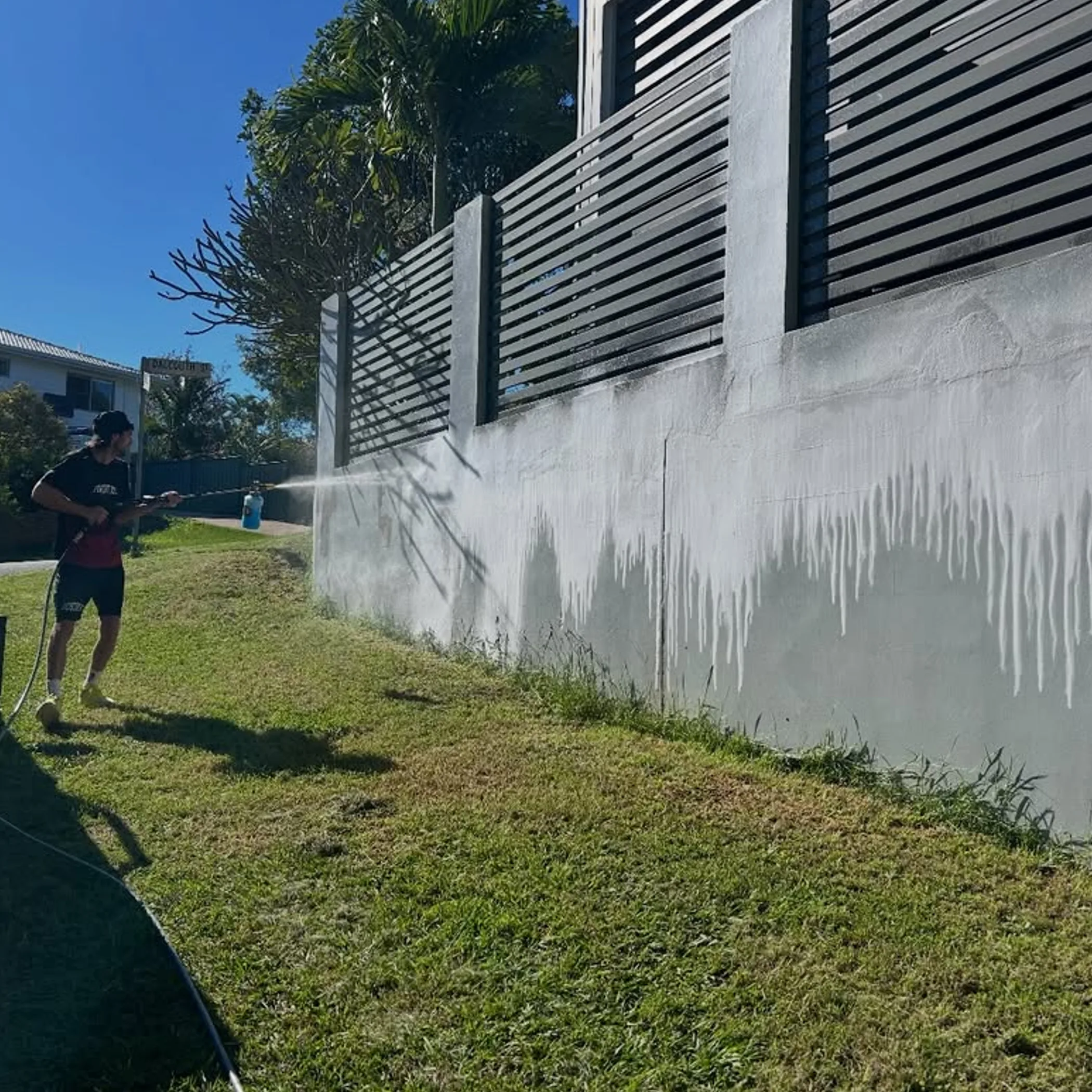
Technique and finish are at the mercy of the wind and UV. Wind means less control and more overspray, and it has a habit of taking dirty runoff to places it should not go such as a neighbour’s car, windows or walls.
Then there is the sun. While it is supposed to dry things out, strong sun can make uneven drying all too apparent. Any half-rinsed patch or missed strip becomes as obvious as a botched tan on a wedding day.
Overspray
Trying to hold a fan pattern in the wind is difficult. A fine mist will find its way to an open window, painted timber or glass. On a residential pressure washing job this is a surefire way to incur complaints, not over the quality of the clean but the mess that has made its way around. Moderate gusts near a footpath or some outdoor furniture may put a stop to proceedings. Upper walls and fences are most affected but if the runoff makes it to an entryway or garage a driveway is no exception.
Exposed Surfaces
One side of a surface can be dry while the other is not under direct sun, altering your rinse timing and putting in evidence some unsightly cleaning lines. Long driveways with partial shade from a hedge, house or gum tree are prone to it. Consistency is preferable to speed, which is why the best time for pressure cleaning a driveway is when the area is uniformly shaded or only gently warmed.
Australia Is Not One Size Fits All
There is no single rule for a country of this size. The seasons for pressure washing in the wet tropics are nothing like those in the temperate south or the dry inland. A cleaning window in Hobart or Melbourne is not going to be the same as in Perth, Darwin or Brisbane; it comes down to the weather system, what the rain has been doing and the surface itself.
The Wet In The North
The Top End and tropical Queensland in the wet season see their share of downpours and humidity and the biological growth to match. Mould and algae are a given and finding a stable period to clean and let it dry is harder. The dry season is more amenable, with less of an immediate regrowth problem and surfaces that dry as they should. Dust is the drawback though, particularly close to a worksite or road where it will resettle in a hurry.
Cooler Climates Of The South
Autumn and spring tend to be ideal in the south. No brutal summer sun to fry the surfaces and the rain is not as much of an impediment as in winter. Winter is doable in many parts of the south but it takes longer to get dry. You have to factor in slip risk and plan for foot traffic when concrete in the shade is still damp hours later.
A Case For Brisbane
With warm slabs and stormy, sticky afternoons in summer, pressure washing in Brisbane requires some management. An early to mid-morning slot during a dry spell is often the answer for a Brisbane home. The wind is lighter, the slab cooler and you have the day to see it properly dry before the evening dew comes back.
| Region | Typical Better Window | Main Weather Risk | Common Surface Issue |
| Brisbane / South-East Queensland | Dry mornings in milder months | Humidity, storms, fast summer heat | Mould, algae, uneven drying |
| Northern Australia | The dry season | Wet season rain, cyclone periods | Rapid regrowth, slippery biofilm |
| Southern Australia | Spring and autumn | Cold damp winters, hot summer sun | Slow drying, patchiness |
| Inland Dry Areas | Mild mornings | Dust, heat, evaporation | Flash drying, residue marks |
When it comes to planning for the weather, one would do well to consult the Bureau Of Meteorology. Its official climate outlooks and rainfall figures are the public source of record; indeed the BOM is the authority to turn to for any forecast on humidity, heat or rain that might dictate the timing of a job.
Cleaning Windows: The Optimal Approach

To put it simply, Australia’s pressure washing is at its best in settled conditions: low wind, moderate temperatures and nothing in the way of rain on the radar. Spring and autumn will suit most households as they present an easy compromise in terms of drying control and cleaning power.
But then again, it is a matter of material and where you are. A shaded driveway facing south in Geelong is not the same as a concrete apron in a Brisbane suburb with a northerly aspect.
Time of Day
Morning tends to be the wiser choice. After the overnight moisture has run off but before the slab gets hot, not right at dawn when there is still water on everything. Mid-morning is a good middle ground for having enough daylight to dry while the temperature is still workable. In cooler climes a late afternoon session is possible, provided the surface can dry out before evening damp sets in. With cool or humid nights, one does not want to be finishing up too late and leaving moisture behind.
A Guide for the One-Day Job
- Make a priority of the slipperiest or most shaded part first; mould and algae are the greatest safety concern there.
- Pick a morning that is dry with a few hours of no rain in prospect.
- For the sake of appearance, steer clear of active rain and the midday summer sun on exposed concrete.
- Steep driveways, sealed surfaces with heavy staining and anything close to electrical fittings or sensitive paint are not for the novice.
Bad Weather and Safety
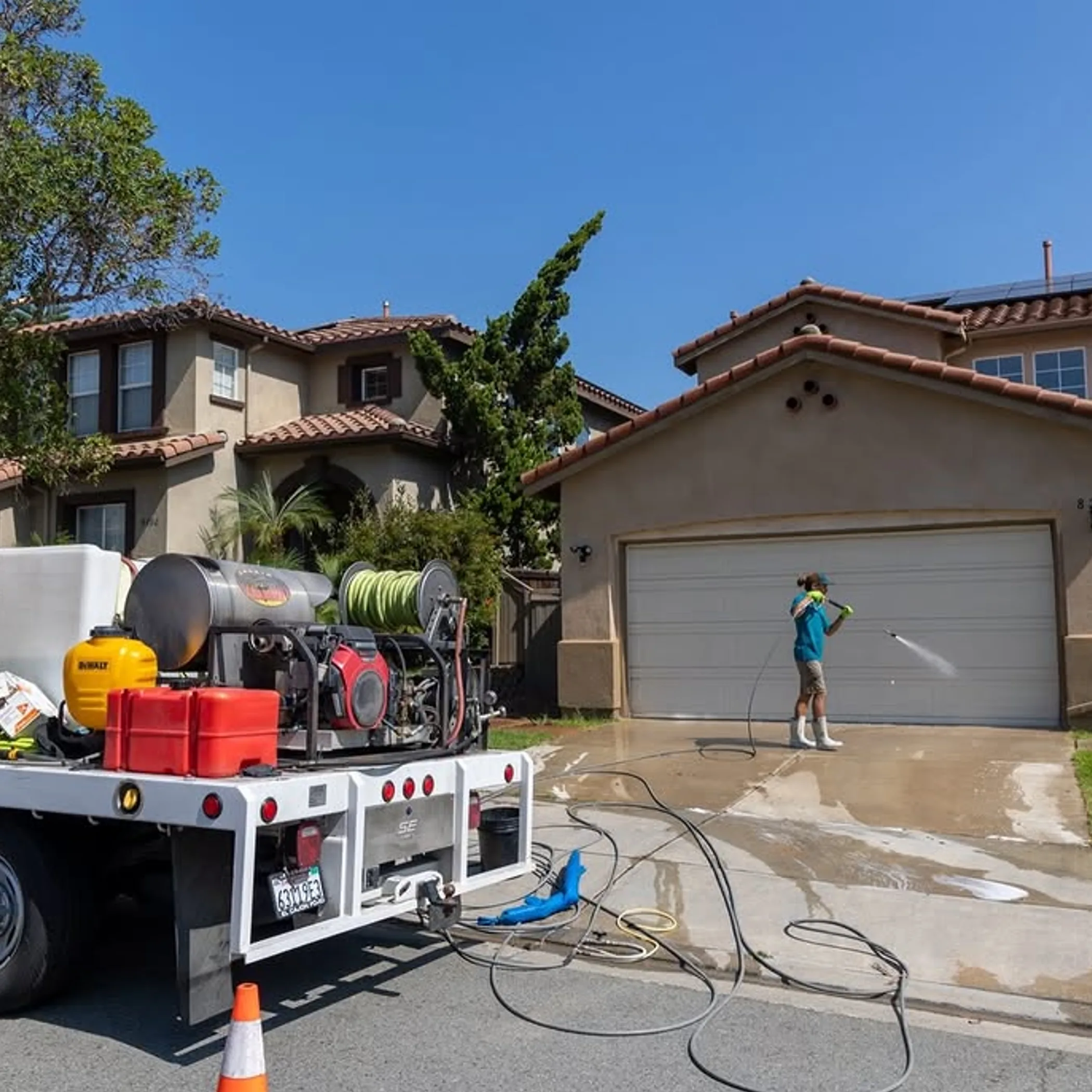
There is more to it than looks. The weather has an impact on your footing, how you handle equipment, visibility and fatigue. Once you get moving on the top layer of grime, a sloped driveway of sealed concrete with wet algae can be treacherous. I have been known to see folks so intent on the wand they lose track of the runoff, and in a moment the place is like a thonged changeroom at the pool. Hardly what you want.
Heat, Electricity And Slips
Powered units, leads and outlets pose an electrical hazard in the mist or rain which also raises the risk of slipping. Then you have high heat to contend with, bringing on dehydration and fatigue; this saps your control and you may hold the nozzle in too long and damage the surface. Wind is another thing, it will send grit flying at the operator and those around him. Clear exclusion zones and good footwear should be taken more seriously by the average weekend user.
Reasons to Put It Off
If there is a storm or strong gusts in the offing, or extreme heat, bushfire smoke, or a cyclone alert in the north from November through April, postpone. You will likely end up with inferior results for your trouble.
Ways to Make it Work
Perfect weather is not a prerequisite to getting on with it. An experienced operator will know that a few judicious changes are better than a hasty effort over the whole area. Be more conscious of the shade, take smaller sections and do not expect the area to dry in a hurry. There is no uniformity in the way of working when it comes to marketplaces and the likes of Westlink Services, Pressure Wash Experts, TRHC, Gatling Tech, Jim’s Cleaning or an AirTasker listing; method can be all over the place. Which is why one has to make as much of a judgment on the weather as on machine pressure.
A Few Technical Adjustments
When it is hot, break the job down into smaller sections to keep detergents from drying out. Humidity calls for some extra time to let things dry before you put mats and bins back or do any sealing. And with wind about, change your angle and sequence to limit overspray.
Then there is the matter of runoff if the joints or garden beds have been soaked by a recent rain. Be circumspect. Pavers and older concrete will have moisture underfoot even if the top appears dry, not to mention mossy edges.
Costs And The Like
Householders tackling it themselves should factor in their own time along with the hire of a machine, fuel or power and detergent. A contractor will be at the mercy of the weather when it comes to labour and booking windows. Parking is another consideration: the operator should find access points open, vehicles out of the way and a clear path for runoff.
People tend to underestimate the time involved. You may think you are just washing a suburban driveway but then there is setup, pre-treatment, edging, controlling the rinse and the drying afterwards, which in cool or humid weather takes its toll.
- Do not be guided by sunshine symbols on the forecast, check the temperature, wind and rain figures.
- If the surface is of an age or already flaky, put a small patch to the test first.
- In winter, or in the shade on the southern side, expect to wait longer for it to dry.
- Make sure kids and pets and any cars are well away from where the overspray and runoff go.
Natalie’s view on it

Consider this: the difference between a job done well and one that is ordinary or has to be redone in short order is often the weather. It is not something to relegate to the background.
The formula for most homes in Australia is not hard to come by. Find a day with little wind and no heat, give the humidity due respect and get on with it when the surface will dry evenly. More use than trying to rely on raw pressure or thinking any sunny weekend will suffice.
Frequently Asked Questions
Pressure Washing In The Rain?
One can do it though the outcome is apt to be inferior. Rain will dilute your detergents, impede visibility, alter runoff and put a brake on drying. Dry conditions are preferable for safety and looks.
Is Australia Drier Or Wetter These Days?
Depends on where you are and the season; long-term climate patterns are in flux. Put aside national generalities and go by what the Bureau Of Meteorology has to say and local rainfall for your cleaning plans.
Is The Market Saturated With Pressure Washing?
It can seem so on the listing sites, but mould, algae and the dust and staining common to many Australian climates ensure demand does not wane. What you will find separates a service is technique and an understanding of the surface and the weather.
Some Tips
Pre-treat organic growth, work in sections and be consistent with nozzle distance. Pick a day without wind or excessive heat and for sealed or delicate surfaces run a test on a small area.
Best Time To Clean A Driveway?
Spring and autumn are generally the easiest in most of the country. Up north the dry season is to be preferred over the wet. In Brisbane a stable dry morning will serve you well any time of year barring very humid or stormy spells.
