There is more to house exterior washing in Australia than a pithy “find a sunny day and put the hose to it”. Put simply, the ideal time to put a pressure cleaner to work on a home is dictated by your location. Humidity, salt, dust, frost, UV and the vagaries of the weather will determine how fast grime accumulates and what can be done about it without risk.
To put it in brief terms: in sub-tropical or tropical climes you should do a clean before the wet season and another after if mould has made itself at home. Temperate coastal properties require more frequent attention since salt lingers like an uninvited guest. Best times to pressure clean homes in arid parts of the interior are about ridding the place of dust with a gentle rinse in the wake of a windy spell. As for alpine or cool temperate country, spring is generally the safest bet when the frost is off and one can properly judge the moss. Natalie Nowak would say that with this sort of job, good timing is what preserves your paintwork, your wallet and spares you a good deal of muttering.
The Case for Climate
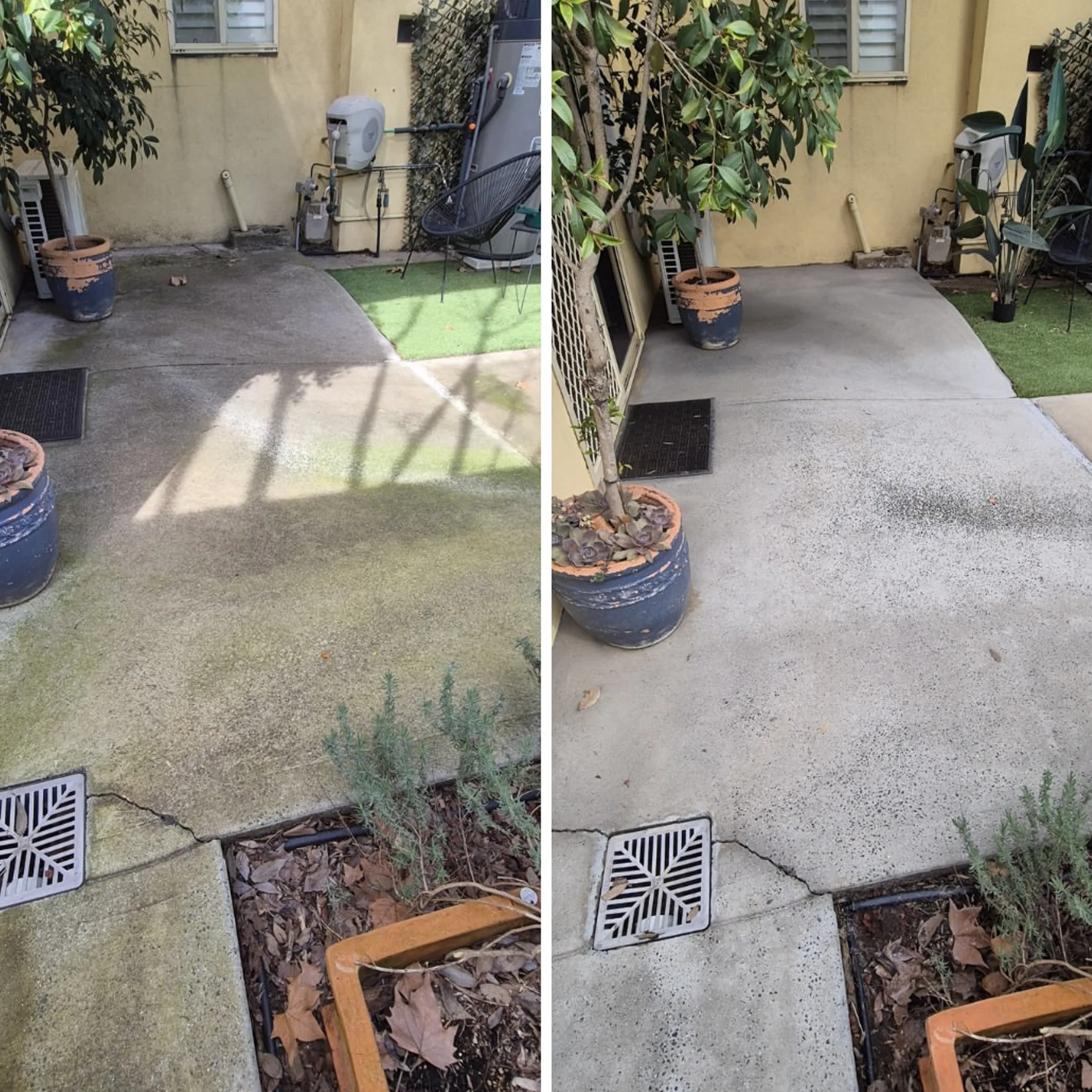
One finds much of the advice on house exterior washing in Australia to be wanting because it makes no distinction between Hobart and Broken Hill, or Geelong and Darwin. They are not subject to the same weather. Mould will develop on a Queensland wall in a way a brick veneer in the Red Centre never will.
It is not just dirt you have to contend with. There is the matter of algae and lichen, UV degradation, fine wind-blown dust, salt air corrosion and humidity. All of which will alter the method and schedule of your cleaning.
A Zone-by-Zone Guide to Timing
What follows is a sensible pressure washing timetable by zone. Consider it a guide rather than gospel; a rendered townhouse in the sun and a weatherboard under some gums are two different things. Aspect, shade and the building materials themselves come into play.
| Climate Zone | Best Window | Exterior Problem | Frequency | Method of choice |
| Tropical / Sub-Tropical | Late dry season through to the build-up ahead of heavy rain | Mildew, mould, algae, humidity | 6–12 months | Biocidal/mildew cleaners, soft wash and low-pressure |
| Temperate Coastal | Spring and autumn maintenance | Grime, spider webs, salt spray and corrosion | Every 6-9 months close to the surf, 12 out of it | Frequent rinsing, low to moderate pressure |
| Arid / Inland | Mild days in spring or autumn, or after a dust event | UV wear, red dirt, dust storms | 9–12 months, spot-clean where you see fit | Soft brushing, low-pressure |
| Alpine / Cool Temperate | Mid-late spring, an occasional early autumn | Damp staining, lichen, moss | 12 months (sooner in the shade) | Careful rinsing and a soft wash with dwell time |
YourHome, the housing resource from the Australian Government, will tell you how these climate zones bear on moisture, sun and building performance. That is relevant here as the very conditions that take their toll on materials over time are what should inform your washing schedule.
Timing is of the Essence in the Tropics
In the Top End or a humid corner of coastal Queensland, biological growth is the main irritation, grime being only part of it. Shaded walls, the damp behind a fence or pot plant, any of these are an invitation to mould and mildew. I used to think “humid” was a matter of sticky skin and a bad hair day when I came to Victoria from Poland, but a trip to the far north puts paid to that and you see why exterior wall mould removal is a thing of its own in Australia. In these areas a wall can turn greenish and speckled while you are still having your coffee.
Up North
For those in the path of the tropical wet season, a thorough clean late in the dry or right before the wet sets in is advisable. Do it again once the worst of the rain and humidity are behind you. Getting in ahead of the constant storms allows organic film to be stripped away and biocidal products to get on with their work.
Then there is the question of what not to do. If you can help it, stay off the pressure washer if several days of hard rain are in the offing. Detergents will not have the chance to dwell, paths will be rough underfoot and surfaces remain wet. Add in cyclone months and safety becomes an issue, particularly on upper-storey walls and roofs.
The Common Error
More pressure is better, most people will tell you. Humid conditions have a way of exacerbating matters. The force of high pressure will put water where it does not belong, in the fine cracks, behind your weatherboards, under paint that is coming loose and at the window seals. You might get the grime off but are only fuelling the moisture issue below.
That is why one has to consider the soft wash as against the pressure wash Australia wide. When dealing with mildew or any painted cladding, render and old weatherboards, the prudent course is a soft wash using an appropriate cleaner and a low-pressure rinse. Put the heavy pressure to work on some masonry or a hard path if you must, but make a test of it first.
Coastal Homes and the Salt Problem
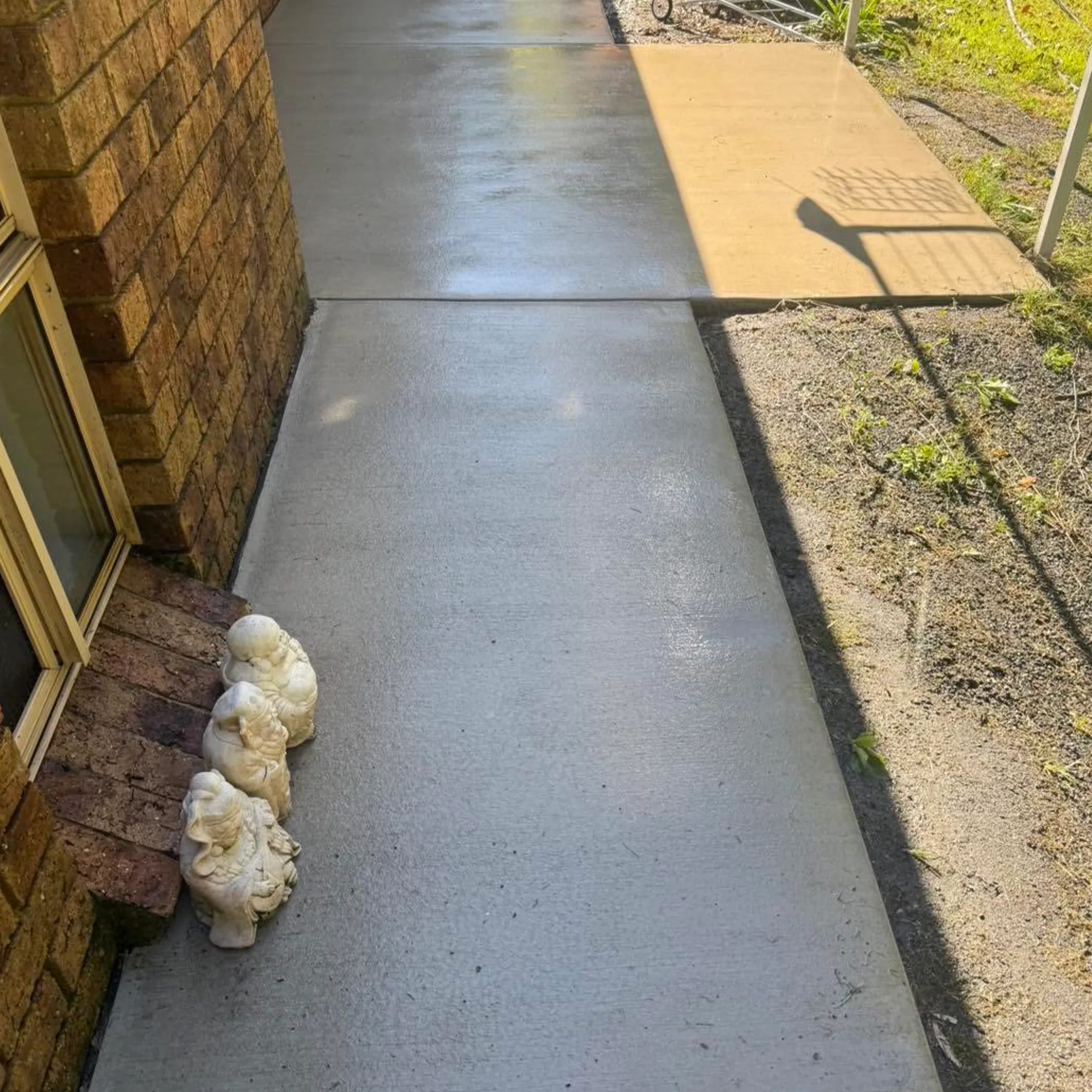
Salt can be insidious out on the coast. Your windows and metalwork may not show it but they will register it, as will the trims and exterior fixtures. For those in the vicinity of estuaries, headlands or surf beaches, a good clean is less for show than to put a brake on the wear and tear of materials.
You do not have to be in the thick of the surf to see the effect of marine air on the glass and rails in Geelong. But nearer the open coast, removing salt spray corrosion is sensible upkeep; not an annual spring affair with the hose and hope.
A Question of Frequency
An exterior wash every 6 or 9 months is in order if the water is close enough to leave a chalky film on your outdoor furniture. Further back in a temperate zone and once a year will do, with the odd rinse now and then.
Residue is more of a fact of life for homes on exposed blocks or with dark trims, roller doors and powder-coated metal, as well as those in the path of the sea winds. As for the rain washing the salt away, people are often mistaken; it is more likely to be put somewhere else.
Methods for the Coast
Do not go rubbing salt crystals into a painted surface like you are sanding the house down. A low-pressure fresh-water rinse to break up deposits before the detergent is the way to start. Then apply a mild detergent for painted exteriors and work from the top. Be sure to give the hardware, garage door and window frames a thorough rinsing. Washing will check any further build-up of corrosion but it is not going to undo rusted fixings or damaged coatings; there you need repair as much as cleaning.
Dust and Sun Inland
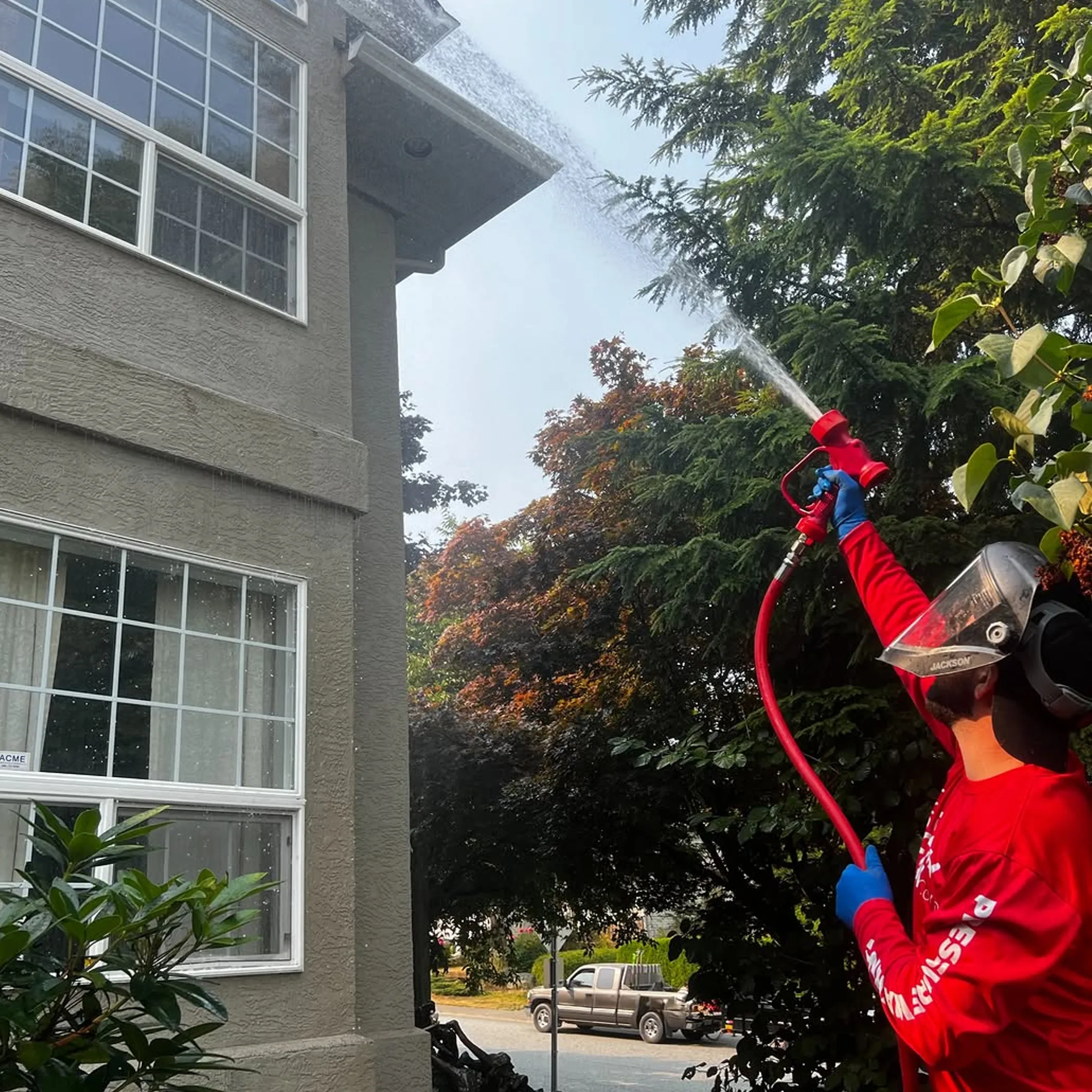
The arid and inland parts of the country present their own problems. Not so much mould as powdery grime and dirt that has been baked on, to say nothing of UV fatigue. Fine dust and long dry spells take their toll on surfaces in the Pilbara, the Red Centre and the like.
One would be wise not to be as aggressive with a pressure cleaner in these regions as is commonly done. There is dust on timber and sealants that are already brittle from the sun and a too vigorous blast will strip the paint along with the dirt.
In the wake of wind and dust
Autumn and spring tend to be better times for this sort of thing inland, or when the grime has had time to settle after a dust storm. Steer clear of the heat of the day or you will be left with streaks as the water and detergent flash-dry on the walls.
Should you have but a day, put your efforts to the windward side of the house, the entry and sills and whatever you use for entertaining outside. It is a far better return on your time than eight hours of looking for every speck as though you were hunting a lost earring on the bush track.
Keep it to a low-pressure rinse, a soft brush and short sections. Pre-wet the wall, agitate and rinse. Faded paint and fibre cement sheets in particular call for it. The mistake made inland is to put on the heat after a dry spell without regard for cracks in the surface. Coatings can be more fragile than they appear, having been compromised by the UV, and a lighter touch means you will not be repainting any time soon.
Moss in the Cool Climates
Alpine and cool temperate zones have no red dust or salt to contend with, just the moisture in the shade of a corner that will bring on lichen, moss and staining to the roof, paving and eaves. The south side of the house will be the first to show it.
Spring cleaning is well named here. When the frosty mornings have passed and things can get dry you can tell what is old stain and what is new growth.
There is no better time than mid to late spring
Once the freeze and thaw have had their way. Clean up before then and you risk cold dampness that will leave your paths as slick as a fish crate by retarding the drying process. Wait too long and you give active growth the chance to get into the more porous of surfaces. In a cool temperate climate early autumn will do if the days are mild and there is a reliable weather window. It is not so much what the calendar says as whether the surface will dry after you have put it through its paces.
Lichen has a way of defying the marketing hype; one good spray will not make lichen or tenacious moss vanish. They require treatment and dwell time, followed by a rinse. Be wary of an aggressive nozzle which can rough up masonry, scar paint and gouge timber, only to provide a foothold for whatever grows next.
On the subject of method
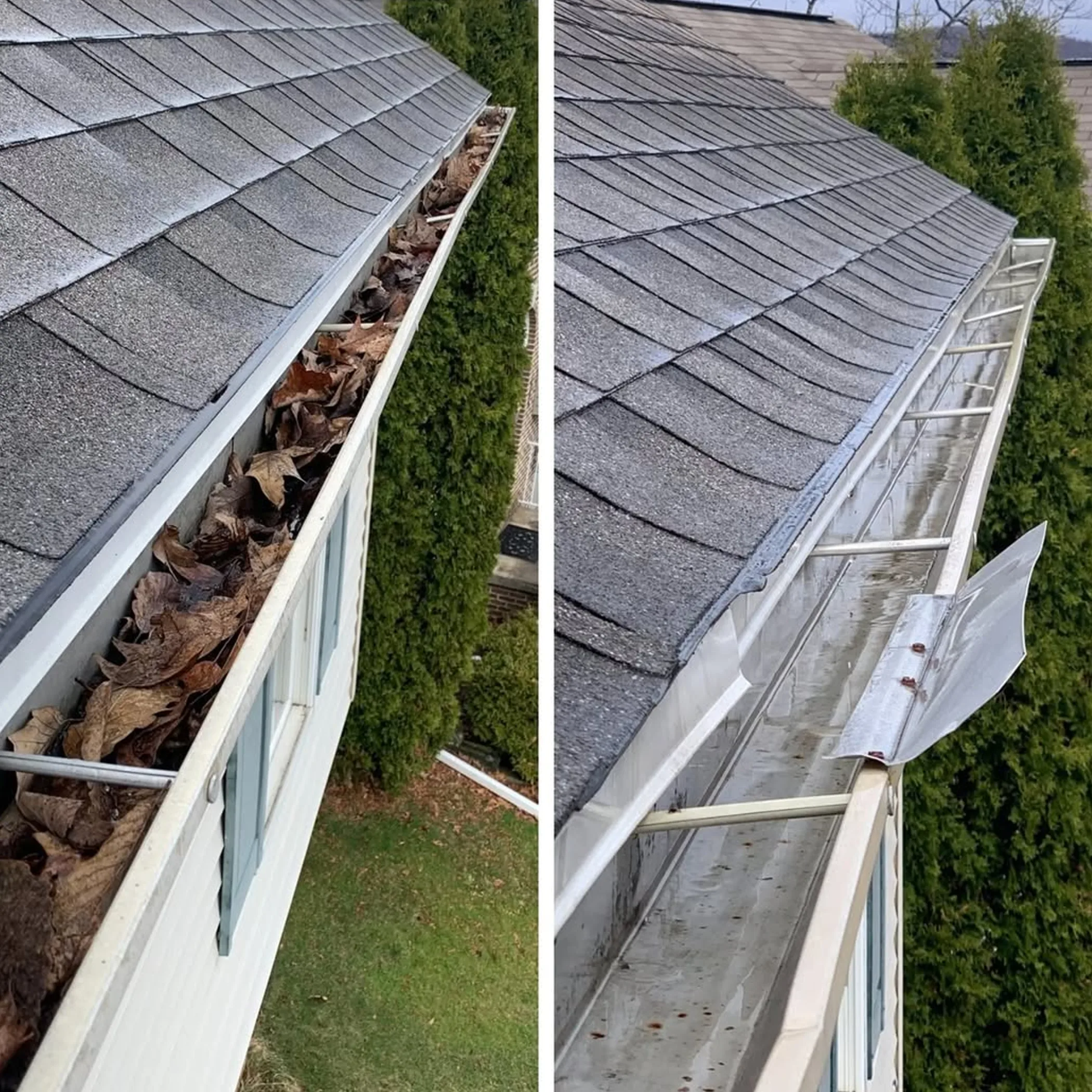
In Australia when one puts the question of when to pressure wash the house, it is really two questions: when to do it and how to go about it without making a mess of things. That is understandable. The approach is as important as the timing. A traditional high-pressure wash is not called for on every exterior. Some call for a soft wash, others a maintenance rinse and in some cases a professional should be brought in to assess a failing surface.
High pressure is for hardscape, not delicate wall systems. Soft washing is the answer for eaves, composite cladding, older brick, render and painted weatherboards where there is mildew, provided you have the right detergents and let them work.
But this is not for the novice. If you are on an unstable ladder with a pressure wand trying to put off a mozzie, take it as your cue to desist. The same goes for roof cleaning sans the proper gear, or where there is damaged render, crumbling mortar, proximity to electrics or a lead-paint hazard on very old coatings.
Precautions with detergents
Biocidal and mildew cleaners have their place in the humidity but must be used with care around stormwater and pets. Pre-wet the plants, put a cover over anything sensitive and rinse the vegetation down after. Do not mix cleaners unless the instructions allow it.
As for cost, the figures are plain enough. You can put together a basic set up at Bunnings for between AUD 150 and 500 plus your time and detergents. A pro will want several hundred for an exterior job and more if the house is large or hard to get to, or if upper level and mould work is part of the package. Get quotes and look at the scope rather than the bottom line.
Make a plan for the year
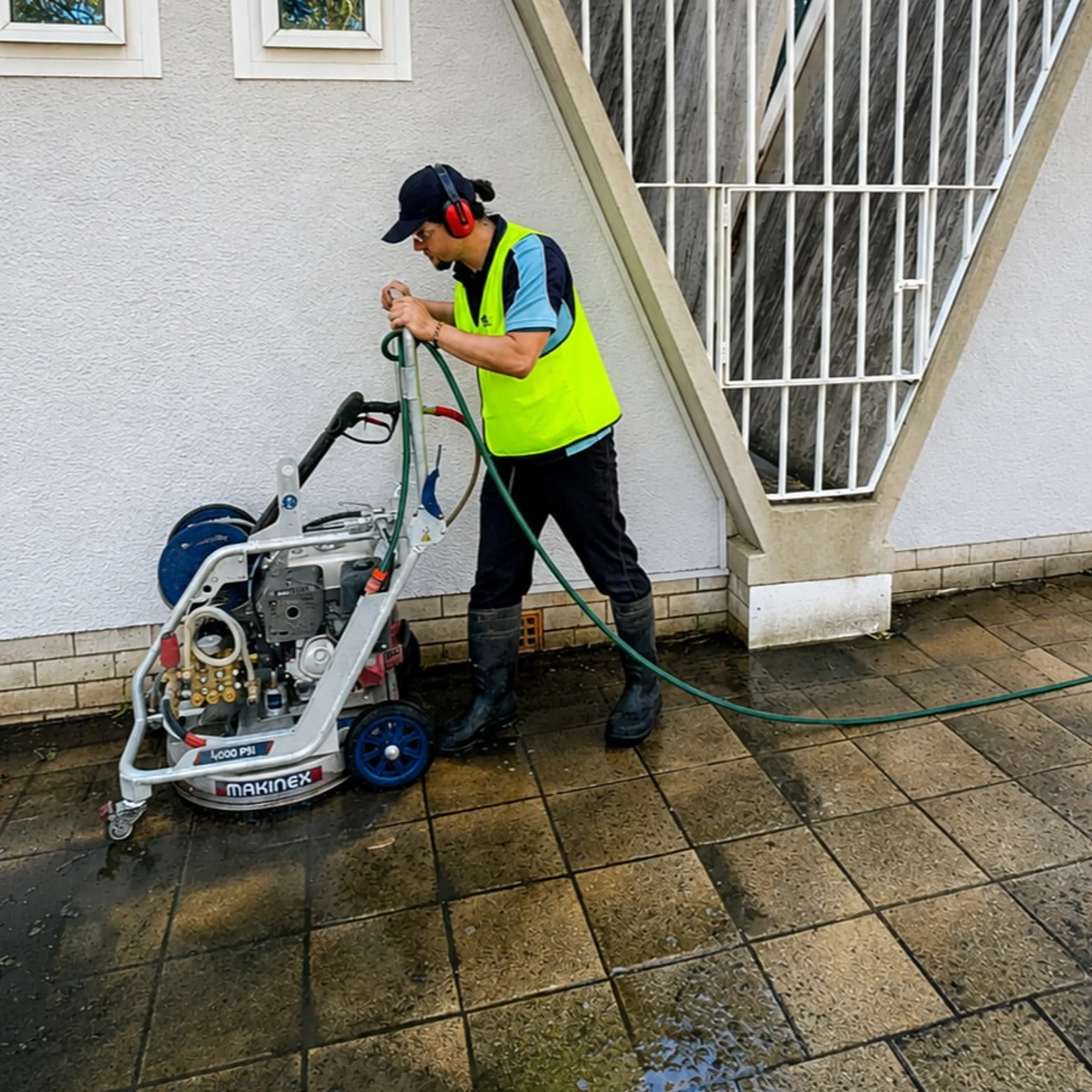
You might feel like being productive on a 36 degree Saturday but the house is indifferent. A schedule ought to be based on the local climate. Natalie Nowak has a sensible way of doing it: inspect with the change of season and clean before the grime does any damage.
A few guidelines by zone:
Tropical and sub-tropical – do your inspections at the tail end of the dry, put in order any vegetation against the walls and deal with the mould before the wet sets in. Have another look after the fact.
Temperate coastal – a full wash in spring or autumn, and in between a rinse of the salt side. After a storm check the metal and any flaking paint.
Arid/inland – after a dusting, but not in the heat of the day. See to the seals and sun-bleached paint and give the windward and shaded entry walls attention.
Alpine/cool temperate – late winter for inspection, then come spring when it will dry out, do the cleaning and put in hand with the mossy bits. Keep an eye on the paving in the shade for slipperiness.
Leave it to the pros
If you are faced with oxidised paint, fragile render, stubborn mould or access problems on a multi-storey, or have solar panels and corroded fittings in the vicinity, get some help. Companies like Washrite, Westlink Services or Apex Roof Painting are among those in the market who may be able to assist, but verify their use of product and method and that they are insured and licensed before you make a booking.
This is aimed at owners and tenants of an accessible home with the usual amount of exterior to contend with. The DIY approach is not for everyone. One should think twice if there are roof pitch or electrical hazards to contend with, ladders that are not to be trusted, a good deal of mould to be exposed to, heritage finishes that have gone brittle or any physical impediment that would put hose and ladder work at risk.
Make an issue of the local rules
Councils and water authorities will have their own way of doing things when it comes to chemical handling, runoff and water use. It is the sort of dull detail most put off until they find the neighbour looking over the fence as some detergent makes its way to the gutter. Put in the time to check restrictions prior to washing, in dry country or water-saving times all the more so. Then there is the matter of noise, shared driveways, where to put a service vehicle and runoff into the stormwater pits or garden beds. Washing the house exterior in Australia is straightforward on paper, not when access is sardine-can tight and the hose will not make it to the side lane.
Logistics you cannot overlook
Plan to spend more of a day on a DIY job than anticipated. Even with a single-storey property, between the setup, tending to the hoses, giving the plants some protection, a break or two and seeing how things have dried, it will be most of the day. Add in a two-storey, a narrow side, steep blocks, heavy shade and mildew that will not give up and the time adds up.
When one puts out a tender for a service, pose the practical questions: what is the plan for parking, do they require an outdoor tap or bring a tank of their own, how are the gardens to be shielded, is there any follow-up? They are of more value than any glossy talk.
Some answers to the usual questions
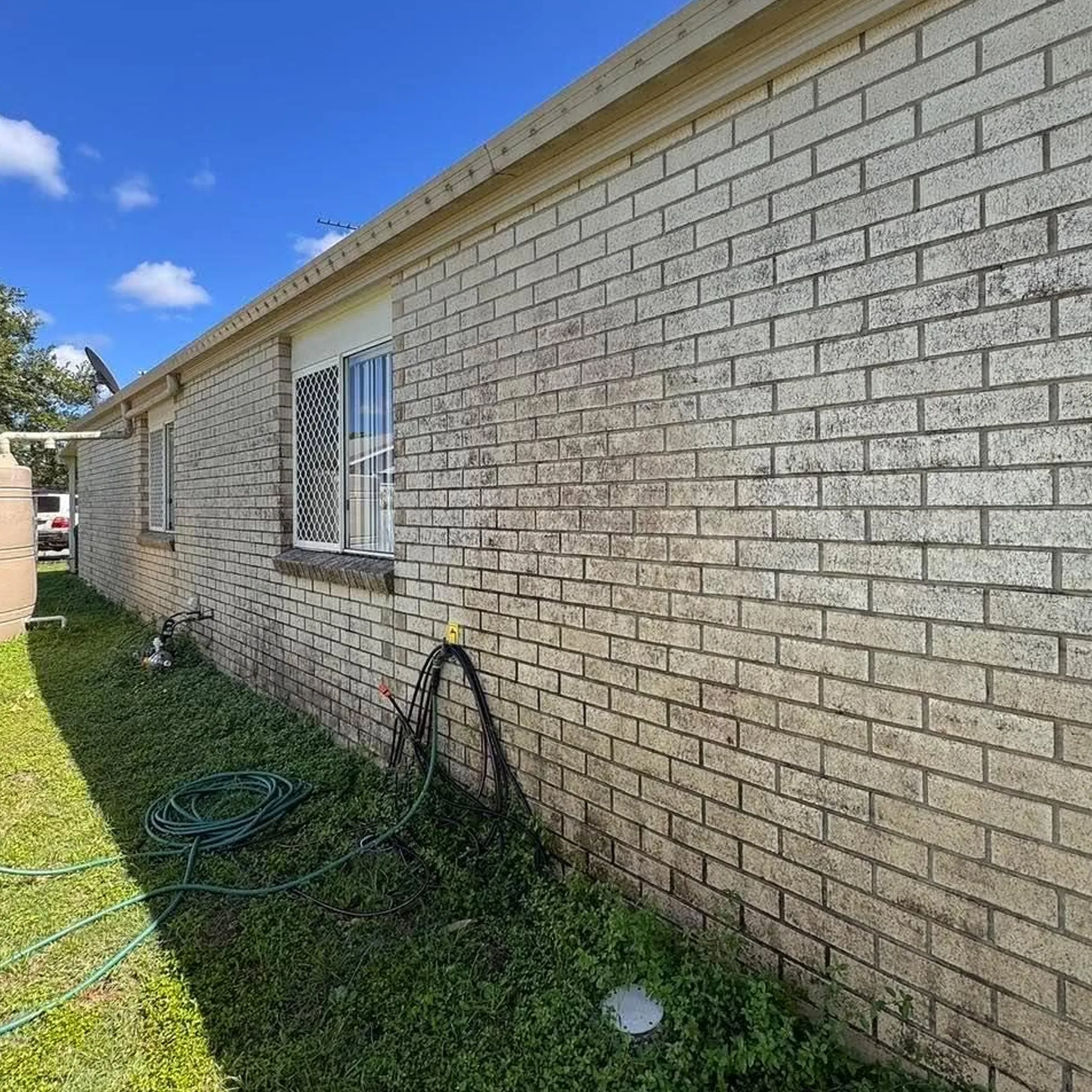
There is reason people ask these. Differences in climate, surface safety and timing can complicate matters beyond first impressions.
What is the right time to pressure clean in the various Australian climate zones?
For the tropics, late in the dry season is best, with an inspection after the wet. Temperate coasts are better served in spring or autumn. In arid parts of the inland, pick a mild day once the dust has built up. Alpine and cool temperate locals should wait for spring to see off the frost and let surfaces get properly dry.
Tropical versus arid: how frequently to wash?
Humidity and mould put in an appearance fast in tropical homes so expect to be at it every 6 to 12 months. An arid home might warrant a full wash in 9 to 12 months and some spot-cleaning post-dust storm. Climate is the determining factor but material type and shade from trees can alter the schedule.
In northern Australia, before or after the wet?
Before is the norm; get the grime and organic matter out of the way and you will not have as much trouble with mould when the wet comes. Inspect and put down treatment for any new staining or mildew in its wake. Should you encounter severe mould, soft washing is preferable to hard pressure.
Painted or aged surfaces call for care
A low-pressure rinse or soft wash is the way to go with older brick, render, painted weatherboards and the like. Detergents of the right kind, a test on a small patch and some dwell time. High pressure will only strip the paint, get behind the joints and expose old weaknesses.
Salt air by the coast
That means more regular cleaning, say every 6 to 9 months if you are near the surf. Rinsing the salt with fresh water is in order and metal fixtures deserve a closer eye. You have to be gentler but more consistent with your methods since corrosion is a long term proposition.
To sum up
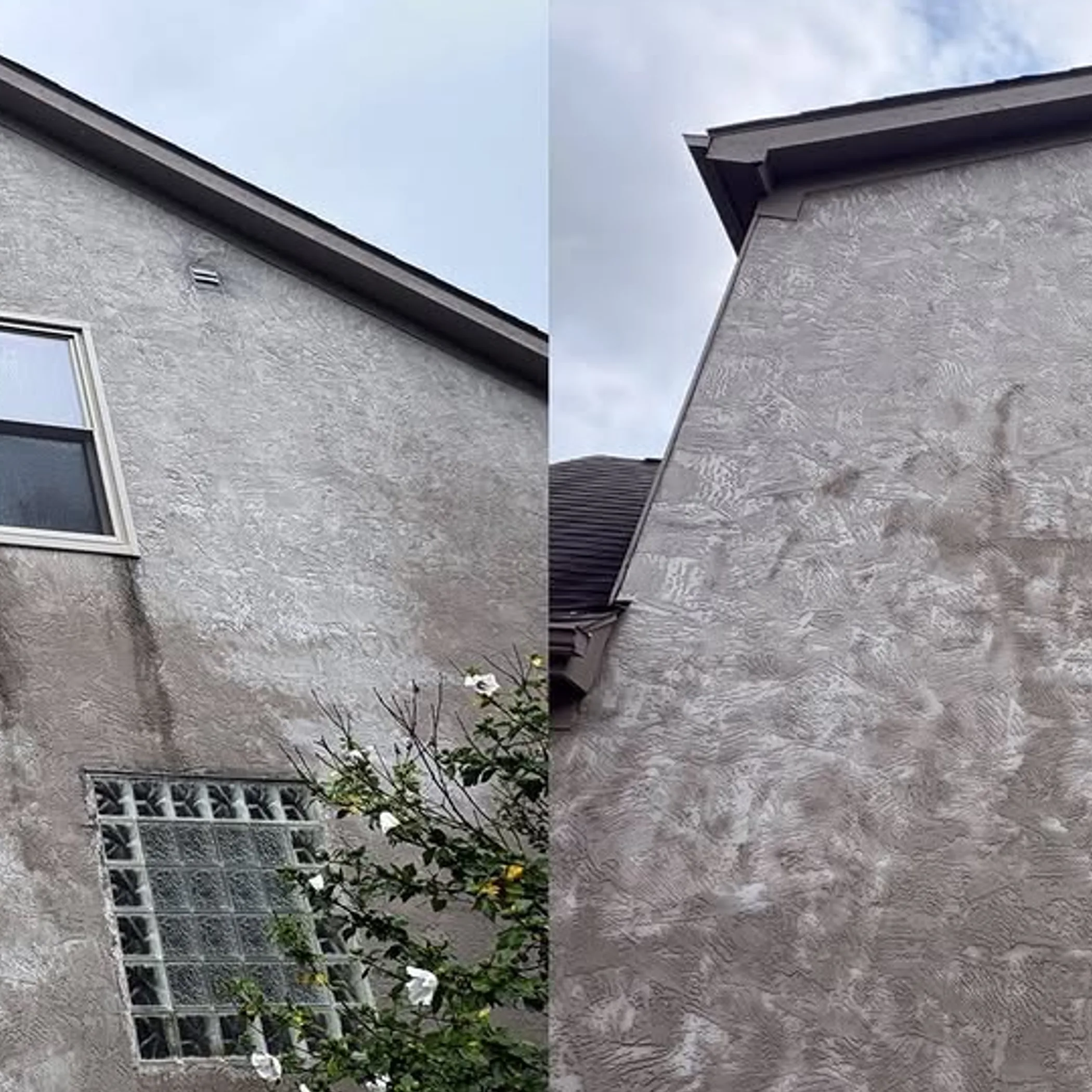
Hold to this: a sensible cleaning regimen is as much about the surface and the season as it is local conditions. There is no one-size-fits-all to pressure cleaning in Australia; less force and better timing will give you a safer outcome.
Natalie Nowak would put it thus: consider the exterior a no-nonsense element of home upkeep, not something to be done heroically once in a blue moon. Do it at the proper time for your zone, be as gentle as you can, and you will be sparing yourself a weekend of scrubbing while the mozzies make themselves at home.
