When is the best time to visit the Great Ocean Road? The answer for many is to make it in autumn (March through May) or spring (September to November). These are the times you will find more agreeable temperatures and driving conditions, and not have to put up with the summer hordes or half your day looking for somewhere to park. It is also prudent to check what the Bureau of Meteorology has to say by way of forecasts and warnings; one does not want to be caught out when conditions on this coast turn on you, as they can in a hurry during winter.
Let me be blunt, says Natalie Nowak: there is a liveliness to summer but it is busy, autumn has its balance, winter is dramatic and good for the whales, and spring is fine if you can tolerate some unpredictability. Whether you are after warm days at the beach or want to view the Twelve Apostles unencumbered by a busload of tourists, or perhaps easier parking, that is what will dictate the ideal time for a drive. You will see the trade-off clearly enough when you have to contend with winter weather on the Great Ocean Road.
A Quick and Honest Opinion

For an all-round easy trip, I would say April or October. You get a sensible compromise in those months: daylight is adequate, Apollo Bay is milder and the crowds on the Great Ocean Road are nothing like the summer school-holiday crush. Not something to overlook if you do not relish the prospect of winter weather here.
People make the mistake of thinking the road is all of a piece. Torquay and Lorne have their busy, beachy side, then you have Apollo Bay which can put on a moody face in no time, and in Port Campbell National Park the wind will have your fringe in tatters. So plan for the season, because winter weather on the Great Ocean Road will affect your sense of safety and how long you feel like stopping.
Who should read this
Melbourne-based travellers, weekenders, families, photographers and first-timers looking to put together a workable itinerary for the Great Ocean Road will find this guide useful. As will those who have no patience for the kind of thing you see in a brochure and would prefer to be told where the queues, closures and wind might put a damper on things.
Months to Put on the Calendar
My short list would be March, April, October and November. January has its fun but is noisier, July is atmospheric if not a bit rough in spots, and December has a habit of going from pleasant to hectic once the holidays are upon you, particularly if the usual winter weather on the Great Ocean Road gives way to bushfire worries and a spell of summer heat.
Summer: The Trade-Off
There is a reason people opt for the classic beach stops and long days of December to February. But it is peak season and you put up with the traffic and accommodation costs and jostling at the lookouts for it. All while keeping an eye on conditions that are worlds apart from what you get in winter.
One can do a one-day run from Melbourne in summer and make it work given the length of the day. Then again, so can everyone else. A coastal drive is hardly as appealing when you are inching along in Lorne in search of a space and cursing your sat nav as though it has done you some personal injury, as opposed to the open roads winter weather on the Great Ocean Road affords.
In Summer
You will encounter warmer climes and more of a scene at the beaches in Lorne and Torquay, more swimmers and day-trippers and a fight for rooms in Apollo Bay and Port Campbell. Do not be under the impression the water is calm everywhere in summer, the sea can be as unforgiving as it likes and this coast has a way of keeping you in your place, much like the winter weather on the Great Ocean Road does.
It is the season for the novice who wants some atmosphere, the family tied to the school calendar, and anyone with two or three days to put in on the road. Summer will see you in for long evenings at the Twelve Apostles to catch the sunset, but make an early start. The platforms have a way of filling up well before the sun goes down and the wind off the Great Ocean Road can put you in mind of winter weather.
Autumn: A More Relaxed Affair
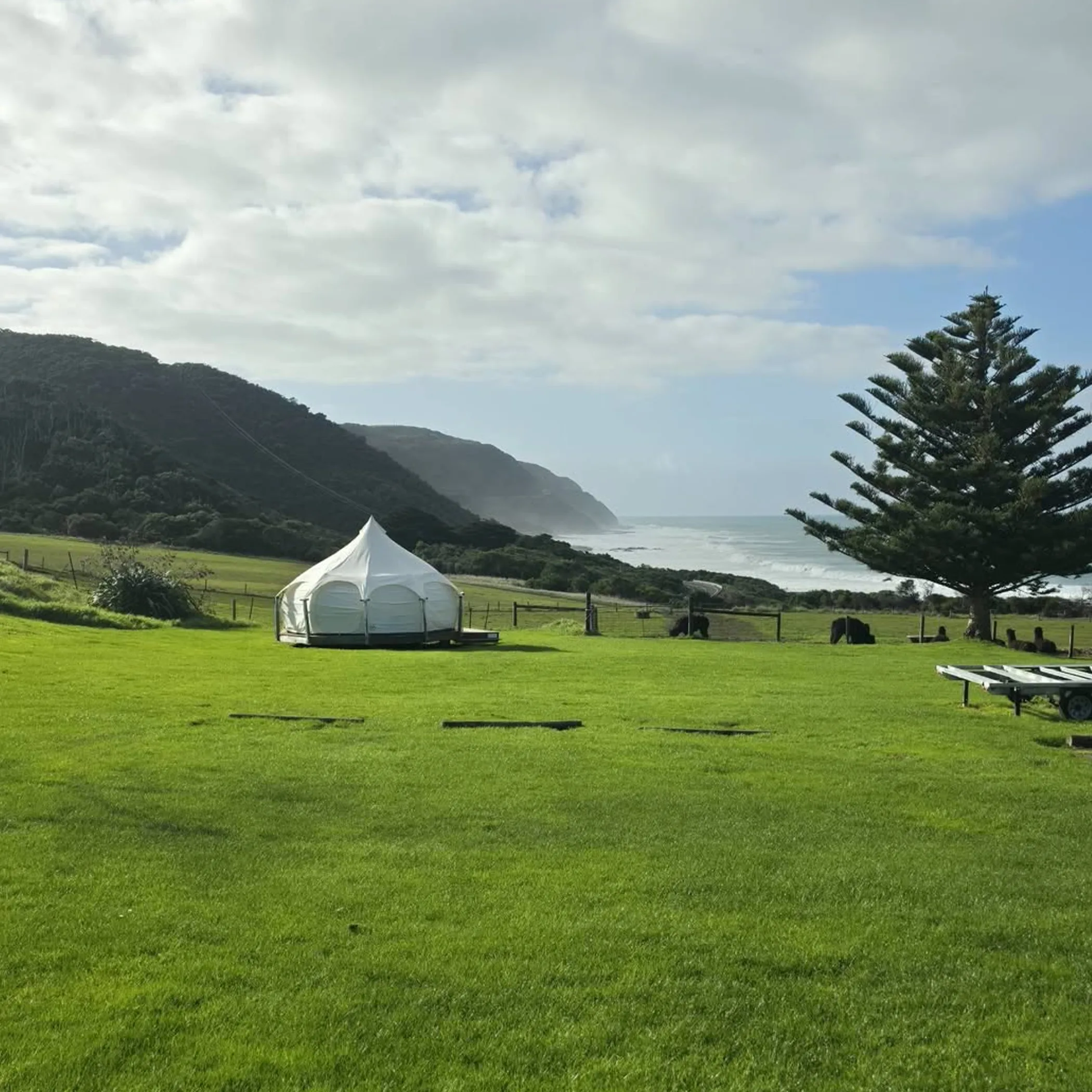
I prefer this route in autumn; there is a calmness about it that does not become dull. You have ample daylight for frequent stops and the kind of temperatures that make the drive feel like a holiday rather than some sort of mission, even should a cold front put in an appearance on the Great Ocean Road with a bit of winter weather. It was my stock answer when clients would put to me the question of how to avoid the chaos of the Great Ocean Road. March retains a summery air, April has a fine balance to it, and by May things get cooler and moodier, something photographers are wont to appreciate when the sky over the Great Ocean Road is hinting at winter.
The Case for Autumn
There is no sticky late summer heat to contend with in autumn on the Great Ocean Road, so one can do a cliff walk or some café hopping in mild conditions. With less congestion on the road you are better placed to enjoy Apollo Bay or Port Campbell for what they are, as opposed to merely ticking them off amid traffic and the demands of a summer schedule that fails to account for winter weather on the Great Ocean Road.
What Autumn is Best For
A short break from Melbourne calls for this season. Whether you are a couple, a photographer, a driver who likes to take his time or a foodie, you will find few headaches in driving the Great Ocean Road in autumn, assuming you keep an eye on any storms or winter weather moving through.
Winter’s Dramas
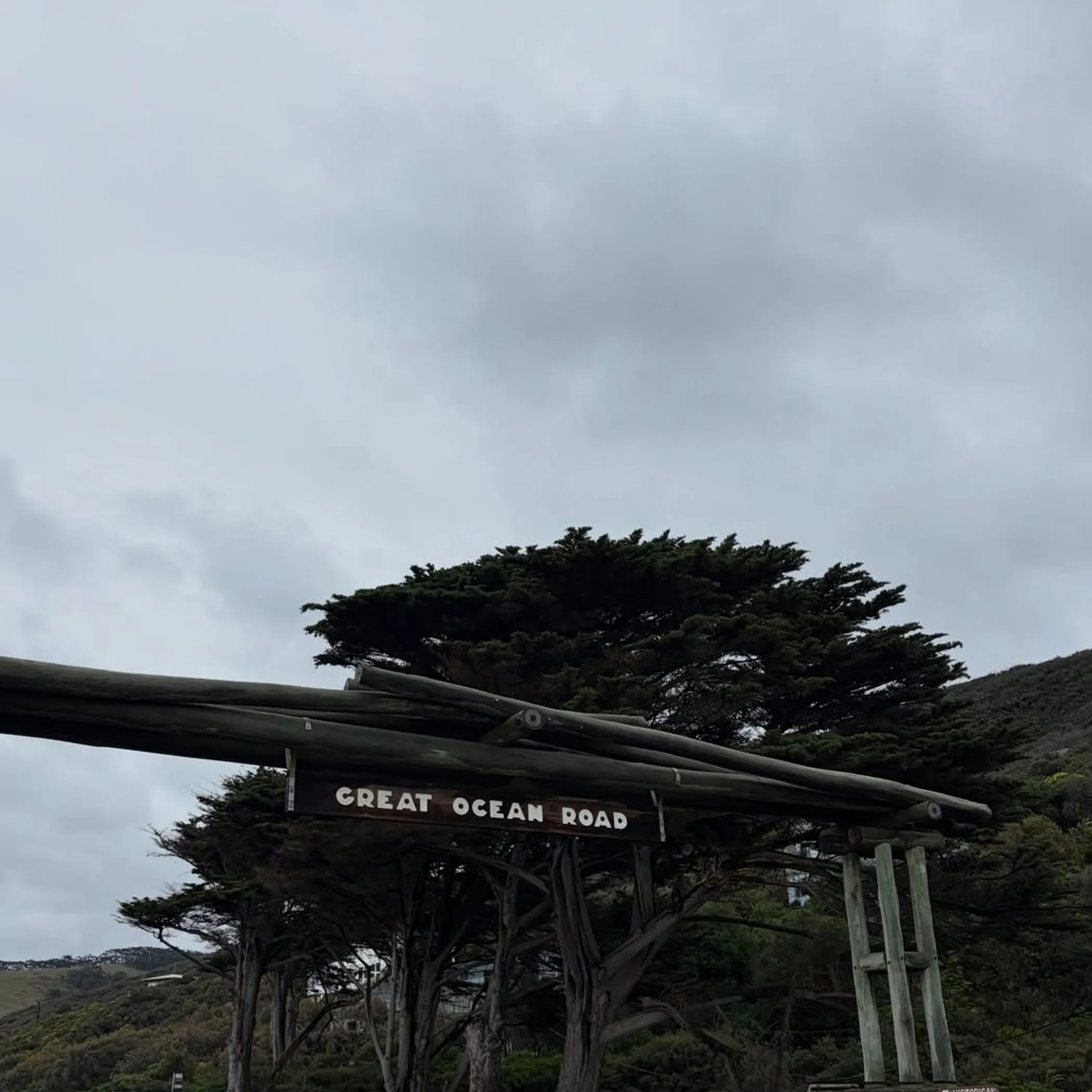
From June through August you have your moody cliffs and migrating whales and the major sights are not so full of people. But it is a season to be wary of. The expression “winter weather on the Great Ocean Road” is more than poetry; it is cold winds, rain bands, poor visibility and slippery ground that will have you rethinking your timetable and exercising some sense.
For the atmospheric traveller it is wonderful. Not if you are put out by the rain or need to be on the beach come what may. Natalie Nowak puts it plainly: the views are extraordinary but you had best have a proper jacket and be flexible, the winter weather on the Great Ocean Road will not be cowed by your attire.
An Appeal to Some
The Victorian coast is prime for whale watching and the ocean swells give the Twelve Apostles a certain power. In some towns you will find less pressure on accommodation and the lookouts afford you some room to yourself, a real advantage if you want your scenery sans crowd and are not fussed by the winter weather on the Great Ocean Road.
Where People Go Wrong
They do not allow enough time for the drive. When it is stormy, what seems a simple route on paper will test your patience. You will be putting up with the dunny queue at a major stop, your photographs will be of a drizzle you have to wipe off your phone every half minute and your short stops will be just that because of the cold. All in a day’s work with the winter weather on the Great Ocean Road.
Variety in Spring
One could do worse than spring, September to November, for a little of everything. Expect wildflowers, wildlife and better hours of daylight and fresh greenery, but the weather is apt to change so you must plan for the possibility of winter weather on the Great Ocean Road in the early part of the season.
It is a season for those able to adapt. A grey morning may well clear for a pleasant afternoon or a windy lookout gives way to a quiet lunch in town. Such unpredictability is no problem if you regard winter weather on the Great Ocean Road as a given and not a bolt from the blue.
The Underappreciation of Spring
It is a good compromise between the drama of winter and the hordes of summer. You will have fresher landscapes and stronger conditions for photography and better availability than in peak times, all of which comes in handy when you are drawing up a two-day itinerary for the Great Ocean Road without having to book six months in advance and being realistic about the winter weather on the Great Ocean Road.
There is good value to be had in the spring, provided one is not set on a full off-season experience; it is well suited to the walker or wildlife enthusiast and the shoulder-season traveller. Put simply, if you can put up with some weather roulette and what is left of the winter on the Great Ocean Road, spring is among the best times to make the trip there.
Monthly Weather Snapshot
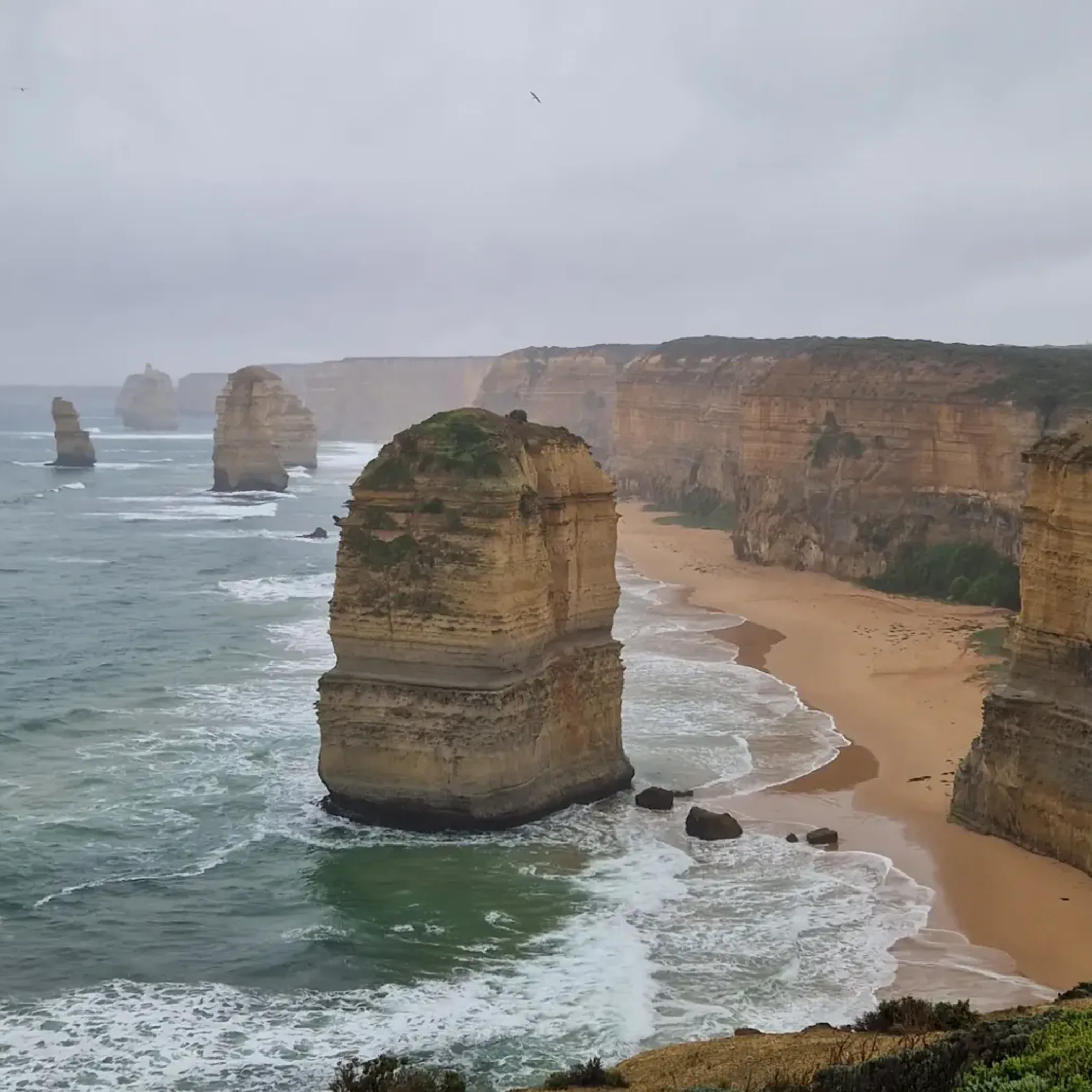
One should not underestimate the weather on this coastline as it has a way of changing from sun to wind to wet in short order. Do not leave Melbourne for the Great Ocean Road without looking at the forecast; even a day that has been planned down to the last detail can be thrown by the winter weather. The numbers below are to be taken as planning ranges, not guarantees. You will find conditions in Apollo Bay are not the same as in Torquay or Port Campbell come the same day, particularly when a bit of winter weather makes its way through the Great Ocean Road.
| Season | Typical Temperature | Rainfall Pattern | Crowds | Best For |
| Summer (Dec–Feb) | 14–25°C or so | Low to moderate | High in the holiday period | A first time out, long days and the beach |
| Autumn (Mar–May) | In the region of 11–23°C | Moderate | Moderate | Photography, food and a sensible road trip |
| Winter (Jun–Aug) | 8–15°C | More rain and storms | Lower | To see whales and a moody coast with less of a crowd |
| Spring (Sep–Nov) | 10–20°C | Variable | Moderate | Greener views, wildlife and the value of the shoulder season |
What matters for your plans is the pattern: summer has the peak season pressure, winter the likelihood of disruption from the elements and less comfort. Hence the preference of many a returner for the shoulder seasons, eschewing both the summer chaos and the full brunt of winter on the Great Ocean Road.
Crowds, Wildlife And Surf
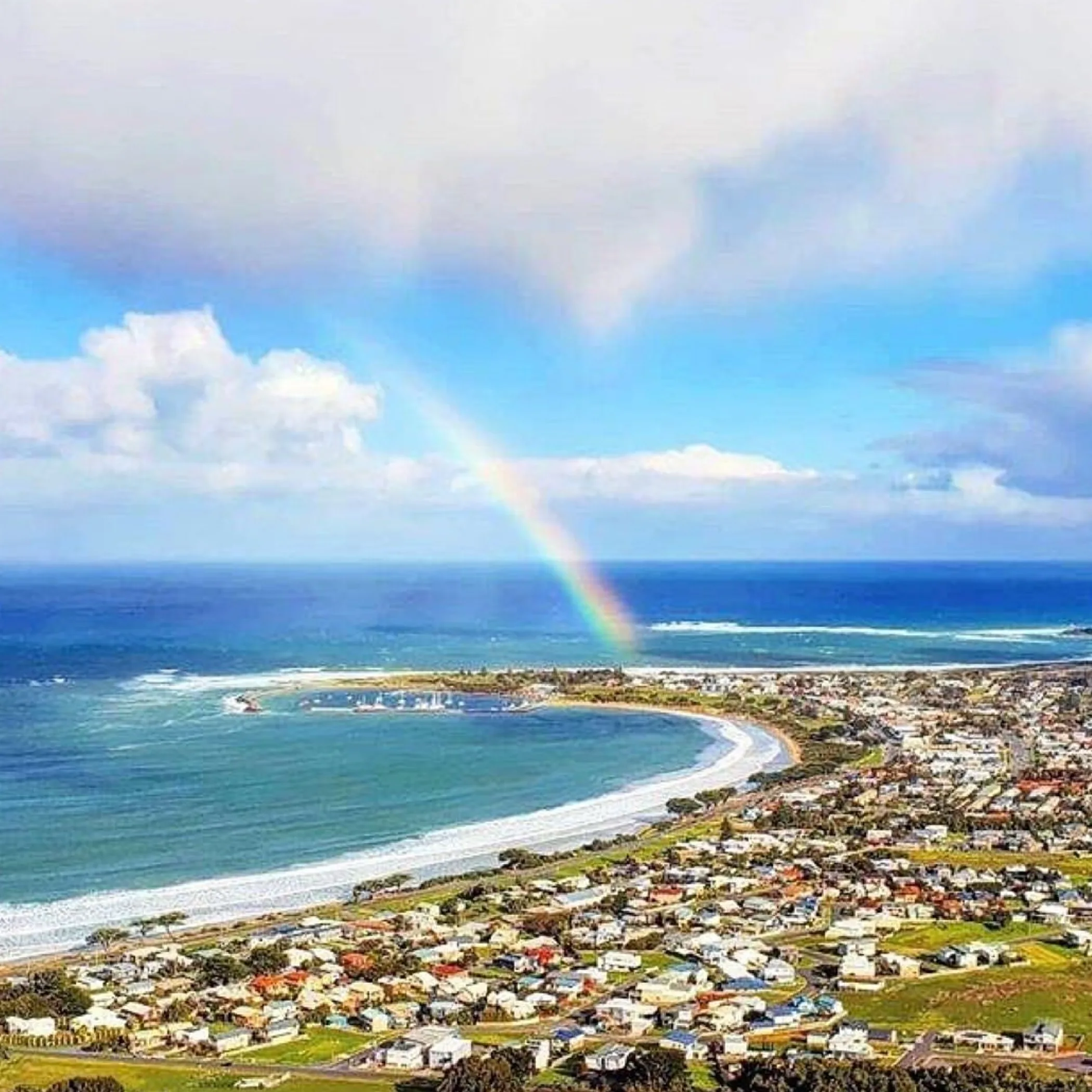
The seasons alter the character of the route as much as the sky does. They dictate where you park and when you eat, whether a lookout is a queue with a view or something more tranquil, and they bring their own wildlife sightings. Winter weather on the Great Ocean Road only compounds this.
Do not look for a single month that is right for all; align the season with what you want to do. Once the prospect of winter weather on the Great Ocean Road enters the equation, there is no perfect answer.
Whales And Wildlife
For whale watching the winter and early spring are unsurpassed. The cliffs and beaches have a certain vitality then, with birdlife and coastal conditions to match, although how comfortable you are viewing them is another matter entirely given the wind and winter weather on the Great Ocean Road.
Surf And Beach Time
Warmer months are preferable for lessons or time on the sand at Torquay, the natural surf hub. An experienced surfer will go after the conditions any time of year but the casual sort is better off when the sea is not as unforgiving as the winter weather on the Great Ocean Road tends to make it.
Driving, Closures And Safety
It may be one of the great Australian road trips but this is no theme park loop. Tourist traffic, curves, cliff edges and the odd closure will have an impact on your timing, in winter weather on the Great Ocean Road more than anything.
The sensible thing is to check conditions before you go, work through a practical travel checklist, allow yourself more time than the map would have you think necessary and resist the urge to fit in every scenic spot. The run from Melbourne to the Twelve Apostles and back is tiring work, longer and slower than most anticipate, winter weather on the Great Ocean Road being a factor.
Which Way To Drive
Most will head west from Melbourne via Torquay to have the ocean to hand for the classic stops and to make a scenic pull-in easy. On a return leg you might want to go inland to put in fewer miles along the coast, which is all the more reason if the winter weather on the Great Ocean Road is uninviting.
Realistic Timing And Costs
You can make a one-day round trip to the Twelve Apostles from Melbourne but it is going to be a rush and a very long day once you account for the driving, the meals and the photo opportunities. Two days is much more to one’s liking, three and you can put in Lorne, Apollo Bay and Port Campbell without feeling you are behind schedule and having to contend with winter weather on the Great Ocean Road.
As for costs, self-drivers can put together a rough budget easily enough. Fuel is a function of the vehicle and the route, tourist town meals mount up and accommodation in the peak season is steep. Shoulder season is cheaper than a summer weekend, and you get better value in the off-season unless the winter weather on the Great Ocean Road is such as to put paid to your plans. One day is all you have? Make Torquay, Lorne and Apollo Bay your first call along with the Twelve Apostles, and head back inland if you are in need of rest.
With two days one can put in an overnight at Apollo Bay or Port Campbell and not be in such a hurry. Three days allows for the odd walk, a leisurely meal or some unpressured time at a view.
Easy Itineraries
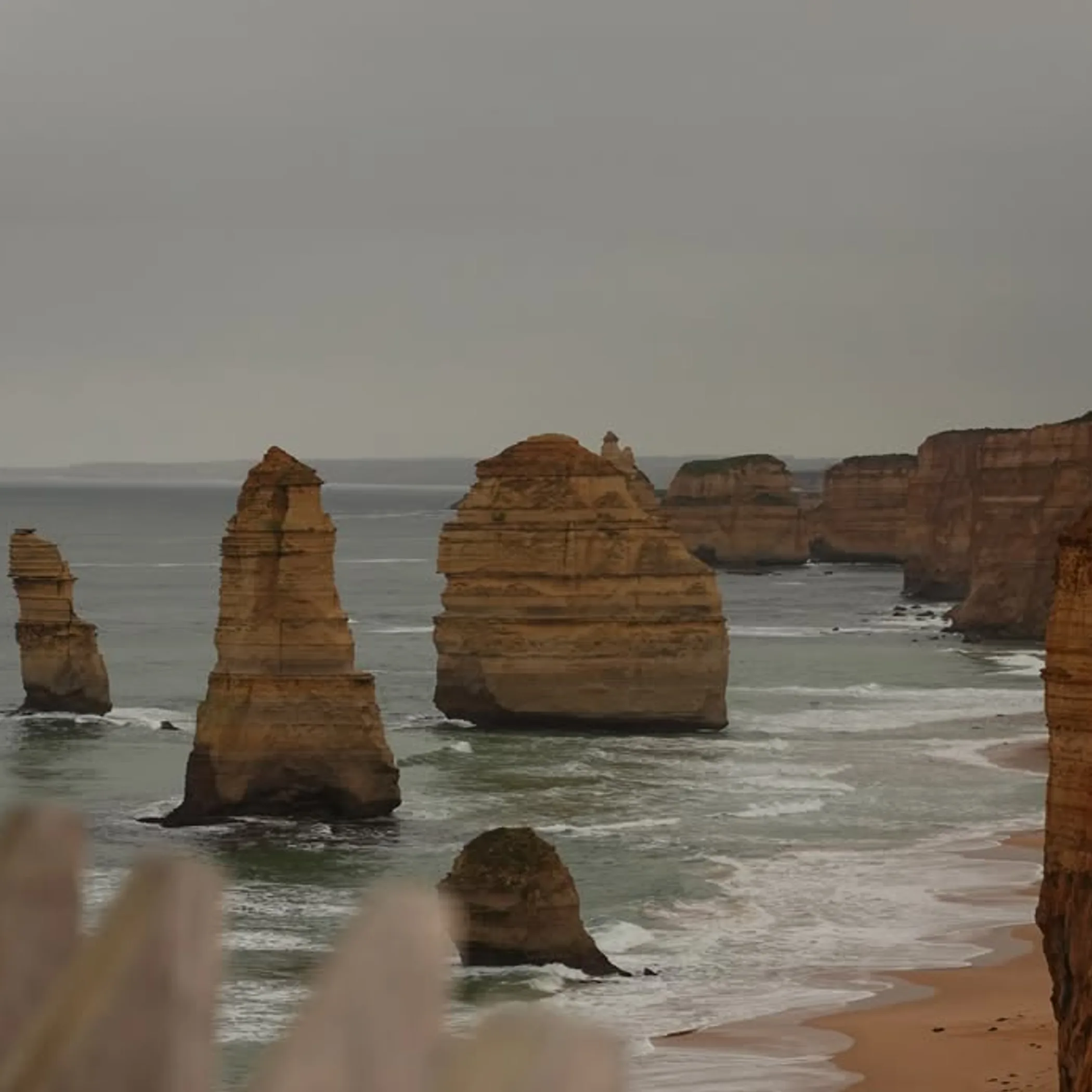
There is no single best way to do the Great Ocean Road; it is a matter of how much driving you are put out by and your inclination to stop. You will see some who make a point of every vantage spot like they are collecting Pokémon and recall nothing of it. Then there are those who take their pick of a few and have a better day of it, winter weather on the Great Ocean Road notwithstanding.
For my part I would put the bit from Apollo Bay to Port Campbell National Park as the most beautiful section. The coastal drive and the rock formations and the way the vegetation changes give you a feeling that city life is well and truly behind you. It is the most consistently rewarding part of the road.
| Trip Style | Best Base | Realistic Pace | Who It Suits |
| 1 Day From Melbourne | No overnight stay | Fast, selective stops | Confident drivers, short on time |
| 2 Day Coastal Trip | Apollo Bay or Port Campbell | Balanced and comfortable | Most first-time visitors |
| 3 Day Slow Trip | Lorne + Apollo Bay or Port Campbell | Relaxed, more walks and meals | Families, photographers, couples |
Expectation Vs Reality
The expectation is to put in a long lunch, a beach walk and make it home from Melbourne to every famous lookout before dinner. In reality the day gets eaten up by traffic, parking, roadworks, a visit to the toilet, snack runs and being plain tired. Throw in some winter weather on the Great Ocean Road and what was a glamorous plan looks optimistic.
What I Would Put Forward
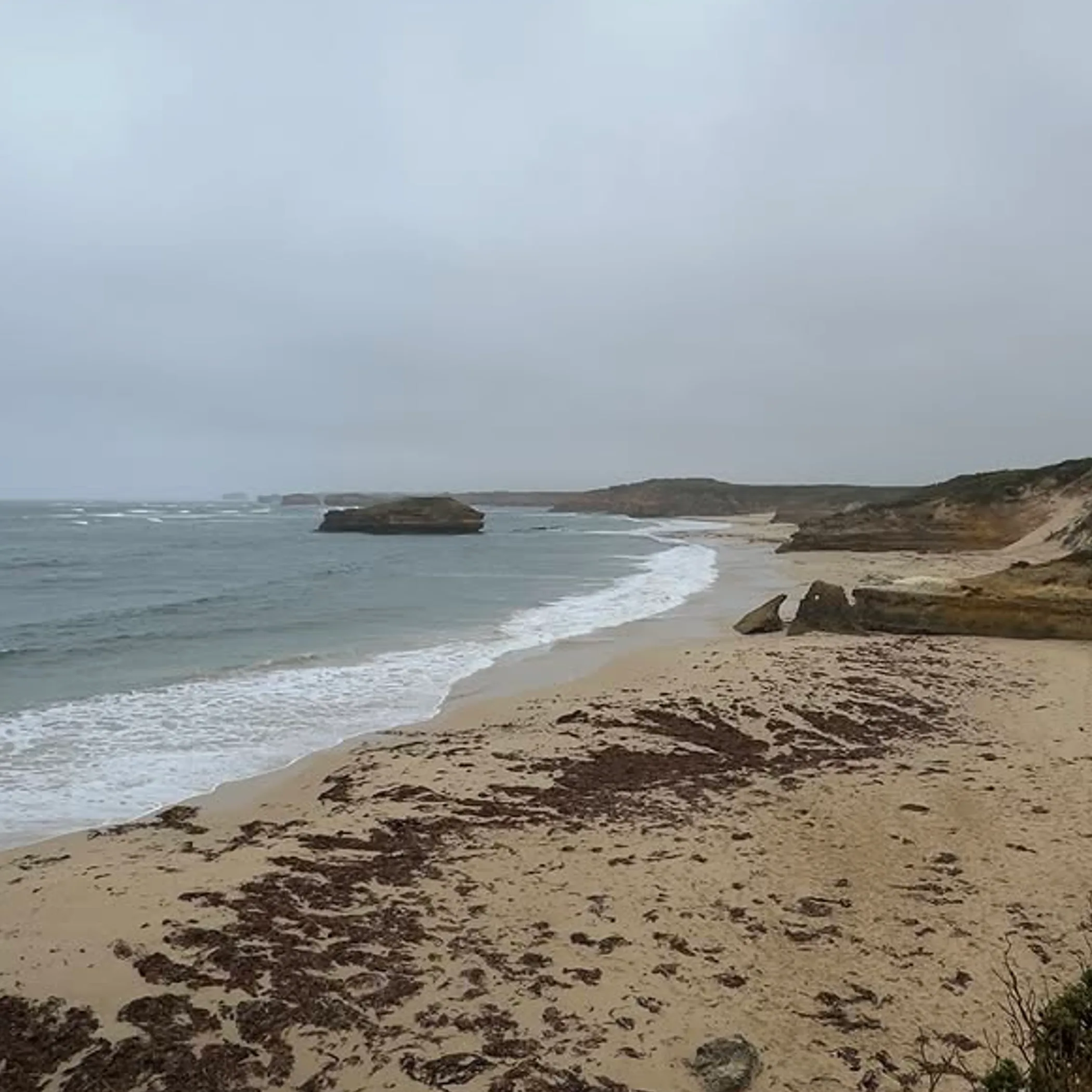
Autumn or spring is the straightforward answer as to when to come to the Great Ocean Road. For the traveller from Melbourne it is the best compromise of easy driving, good light for photos and reasonable crowd levels without the full brunt of the winter or the summer peak.
Should you be after moody oceans and whales with less company then winter is fine, provided you are prepared. Summer is for the beaches and long evenings but book in advance. For the rest of us who want a trip without the bother, the middle seasons are a country kilometre ahead, even when you have to factor in the Great Ocean Road in winter into your plans.
FAQ
How many days does it take to see the Great Ocean Road?
You can do it in a day from Melbourne but it is a long haul and will seem rushed with any impediment of traffic or winter weather. To actually enjoy the route rather than endure it, two days is the minimum.
When is the best time to drive it?
Most will find autumn and spring preferable. The temperatures are milder and you will not have the crowds of summer or the conditions of a Great Ocean Road winter.
Where is the most beautiful part?
From Apollo Bay to Port Campbell National Park is the usual standout. You get your fill of open coast and dramatic cliffs. Even if the winter weather has made the ocean dark and wild it is still impressive.
Which direction to go?
The norm is to leave Melbourne and head west past Torquay so the ocean is on your left for the major stops and you can pull over for a look. If you are worn out or the winter weather on the Great Ocean Road is bad, an inland return is more sensible.
Is visiting in winter a mistake?
Hardly, if you can stand the cold and rain. Whale watching is at its best and there are not as many people about. But the winter weather can bring road spray and wind which will slow you down and is not to every driver’s taste.
Check the Great Ocean Road forecast in Melbourne before you set off.
Do not be in a hurry, the map will understate the time needed.
Book early for the summer.
And pack layers whatever the season.
Autumn or spring for the easiest going.
