When should you go? I am asked that frequently and the WA Coral Reefs Marine Life Calendar is my ready reply. If you’re looking for the optimal reef visit season, the simple fact is that for the majority of travellers autumn to early spring is the time to be on a reef, with March to October being the sweet spot for good wildlife encounters in Ningaloo, Exmouth and Coral Bay.
I am Natalie Nowak and have put together this guide for those making plans for Western Australia’s Coral Coast at present. There is no brochure fluff here, just the kind of practical detail one needs to sort out. You will find information on humpbacks, manta rays, water clarity, heat risk and what tends to trip people up after they have made their booking; from turtle nesting and coral spawning in Ningaloo to the whale shark season.
Quick Seasonal Snapshot
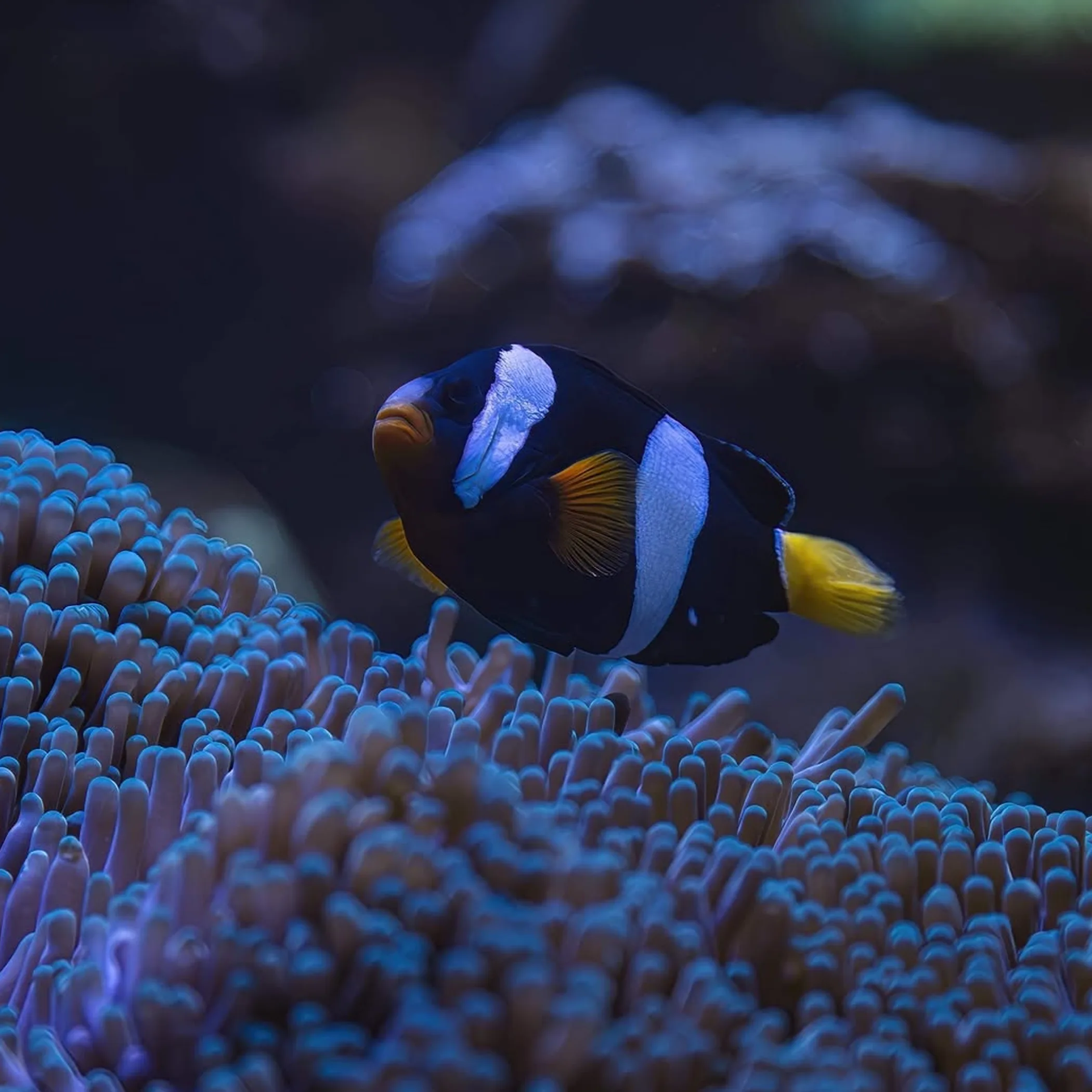
Here is the plain-English version so you need not pore over three tabs and a coffee to make sense of a marine calendar. There are no perfect answers unless your priority is clear, be it whale sharks or turtles, calm snorkelling or putting some distance between yourself and the kind of heat that tests you.
Most would say a window is better than an exact month for a Ningaloo visit. Headline marine life is at its best from March into July. Those after a bit of pleasant weather and a solid snorkelling season with less in the way of heat-related bother will do well from August to October.
| Season | Best For | Watch Outs |
| Spring | Humpbacks, manta rays, milder days and reef snorkelling | Wind at some sites and on boat trips |
| Summer | Turtle hatchlings and nesting, warm water | Cyclone risk, marine heatwave, very hot conditions |
| Autumn | Whale sharks, strong variety in wildlife, the coral spawning period | Tour sell-outs and the demand of school holidays |
| Winter | Easier to get about in the day, humpbacks later on and early whale sharks | A cool, windy morning now and then |
The Four Seasons
On the Coral Coast seasonality means more than what the weather app says. It has a bearing on your road-trip comfort, wind exposure, how clear the water is and if your family is off to a dreamy snorkel or having a cranky afternoon with melted snacks while you hide from the sun.
A lot of people make the mistake of thinking “summer beach weather” is synonymous with top reef conditions. In the vicinity of the Ningaloo Marine Park the hotter months may give you fine wildlife but you also have to contend with the heat and a greater risk of inclement weather.
Spring is Rewarding
One does not feel like a boiled potato in the spring when taking in the seasonal wildlife. Access is reliable in Exmouth and Coral Bay and you can put in some good snorkelling with the odd humpback offshore, all without the peak heat. Should you have a day to spare and prefer to float over some coral as opposed to a full day on a boat chasing big animals, it is a sensible option for first-timers and families alike.
Turtle Fans Will Like Summer
Ningaloo turtle nesting is the main attraction in summer, particularly where the beaches are as much of a draw as the reef. The hatchling times are something else. Then again, the humidity and the prospect of cyclone-season disruptions can upset your plans. The reality is that while the water is warm, the land is flat and hot enough for the car park to shimmer. If you have little ones or do not take to the heat, a summer holiday can be hard work.
Autumn is the Heavy Hitter
In the Ningaloo Reef calendar there is nothing like autumn. Late-summer full moons can see coral spawning and you will be in for the start of the well-known whale shark swim season. But the towns are busy too. Accommodation rates have a way of climbing and if you are a last-minute traveller you could be stung by the demand in Exmouth or find the Coral Bay tours already gone.
A Winter Balance
For an all-rounder winter is hard to beat. Daytime is easier for any amount of walking or driving, you are not being cooked in the sun and you can put in some late whale sharks before the humpbacks come in. It is the season most travellers will find easiest to put together. There is still wind and sea state to consider but you will not be ambushed by the wet season or anything too extreme.
Month-By-Month Reef Calendar
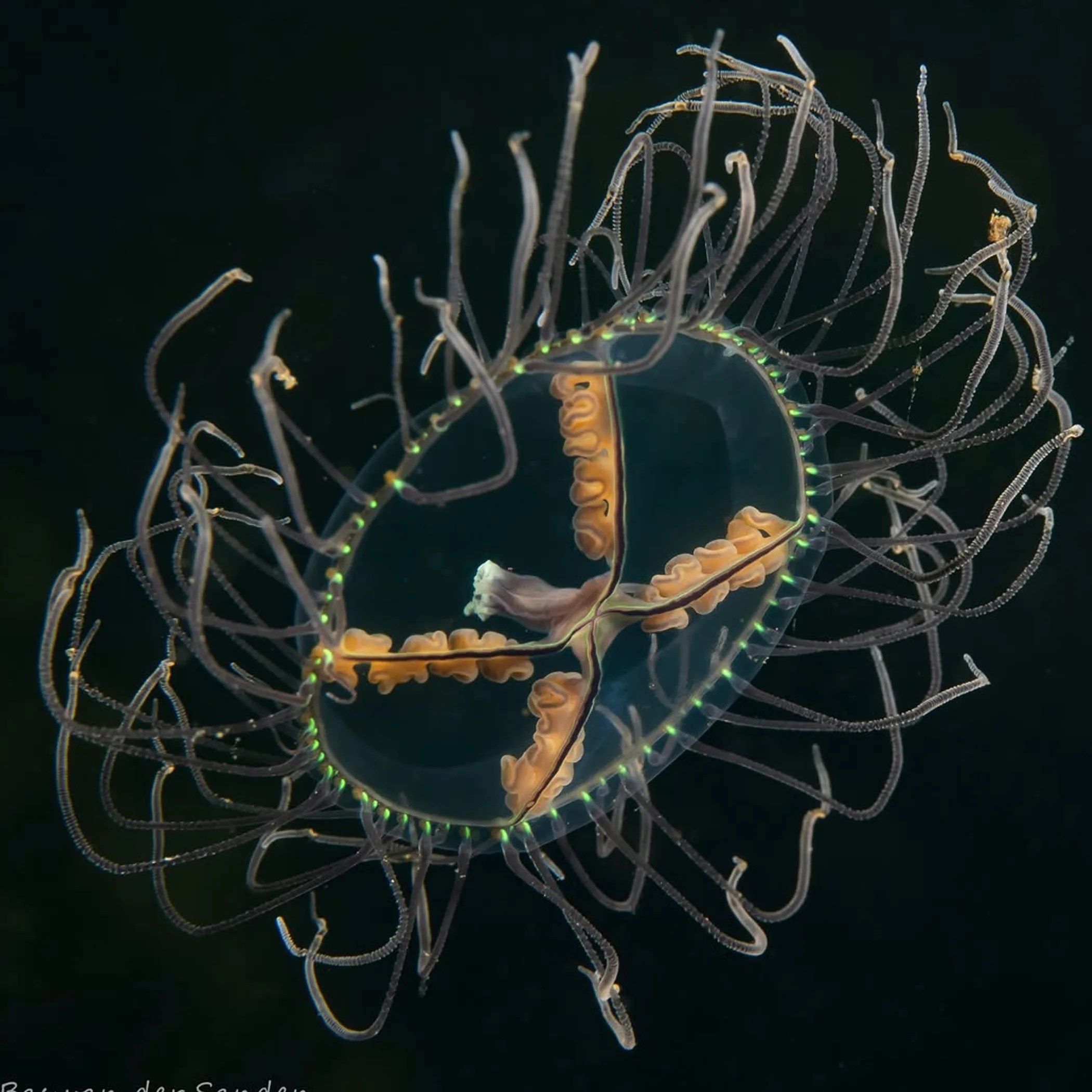
You will want to save this, or put a screenshot in the family group chat. The reason I have put this down from March to February is that it accords with the reef’s wildlife in a more practical sense than some neat January beginning.
Consider it a guide for your plans, not something you can hold me to. Marine life does not adhere to a timetable put on paper and those who would have you think so are after a sale.
| Month | Likely Highlights | Practical Notes |
| March | Coral spawning, the water is warm and there is early whale shark about. | Make an early booking for tours; it will be hot. |
| April | Reef activity is strong as the whale sharks hit their peak season. | A popular time in Exmouth and Coral Bay. |
| May | Ningaloo has a fine whale shark season and snorkelling to match. | First-timers can plan with some safety of mind. |
| June | Whale sharks are still there and humpbacks might make an appearance. | Tours are well patronised and the air is milder. |
| July | You will have chances for manta rays and humpbacks on the increase, late whale sharks. | A month for good mixed wildlife. |
| August | Snorkel the reef, see humpbacks and mantas. | Nice for any sightseeing on land. |
| September | Humpbacks and, in some parts of Ningaloo, the conditions for manta rays are better. | Visibility tends to be at its best. |
| October | Shoulder-season for the snorkeller, manta rays and reef fish. | The days get warmer again. |
| November | Turtle nesting is in full swing. | Watch the conditions as the heat comes on. |
| December | Summer use of the reef, turtle nesting. | Busy and hot with the added risk of cyclone season. |
| January | Turtles nesting, possible hatchlings. | Some will find the heat too much. |
| February | Pre-autumn and the last of the turtle activity. | Keep an eye on the weather and marine heatwaves. |
Time Your Iconic Wildlife
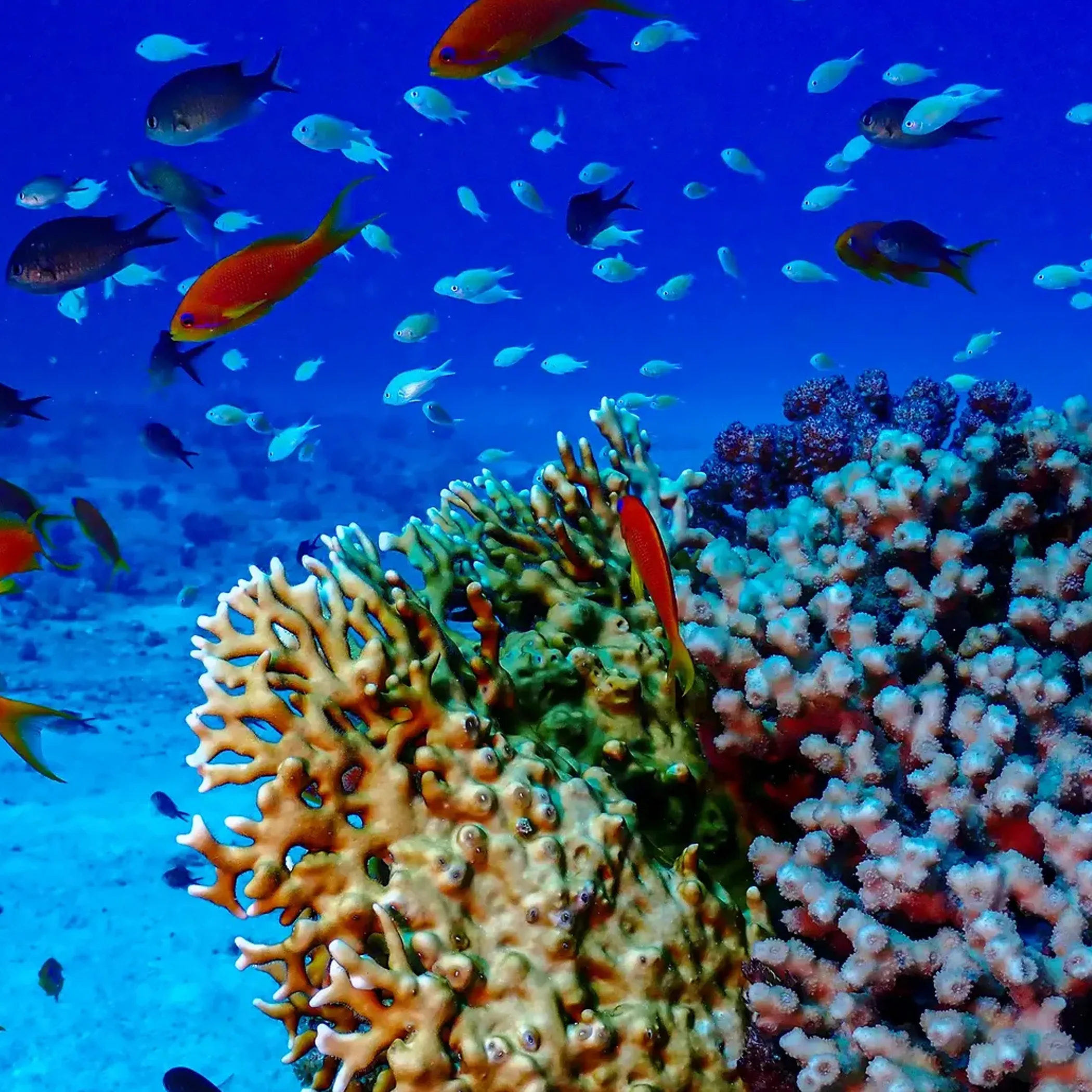
Should your itinerary be predicated on a particular species, then let that dictate the plan and make the necessary concessions. There is a rule of thumb from Natalie Nowak: if you are in the market for a restful night and some unobtrusive beach snorkelling, do not book a reef holiday for the whale sharks.
Ningaloo Reef gives a lot but not in the same manner each month. Here is the usual breakdown of the big-ticket items.
Whale Sharks And Reef Giants
Many will head for autumn or the start of winter on account of the Ningaloo whale shark season. A swim is most likely between April and July, barring any tour or condition issues.
Do not be one of those taken aback by the fact that a whale shark tour is a day of commitment. An early hour is called for as well as sun protection of the kind that will not move, sea legs and the disposition to let sightings be what they are when the weather or the ocean has other ideas.
Coral Spawning And Night Reef Events
One can make a case for the mass coral spawn being the more remarkable entry in the Ningaloo marine calendar, if not the showiest. Environmental cues following a late-summer full moon will see coral spawning in March or April.
It is not a stage show you can rely on and casual visitors may struggle to put it together. Put in a call to the local operators some time in advance if it is important to you, and ask point blank if it is suited to beginners and what the access and night conditions are like.
Turtles, Nesting And Hatchlings
In the warmer months you will find the bulk of the turtle nesting, from spring through summer with hatchlings to be had later on. The region’s beaches can be quite something after dark if one is considerate and does not cause a fuss.
But do not turn the turtle beaches into a spectator event. Torch light and crowding will only get in the way of the females and young. DBCA and the operator rules should be followed to the letter.
Manta Rays And Humpbacks
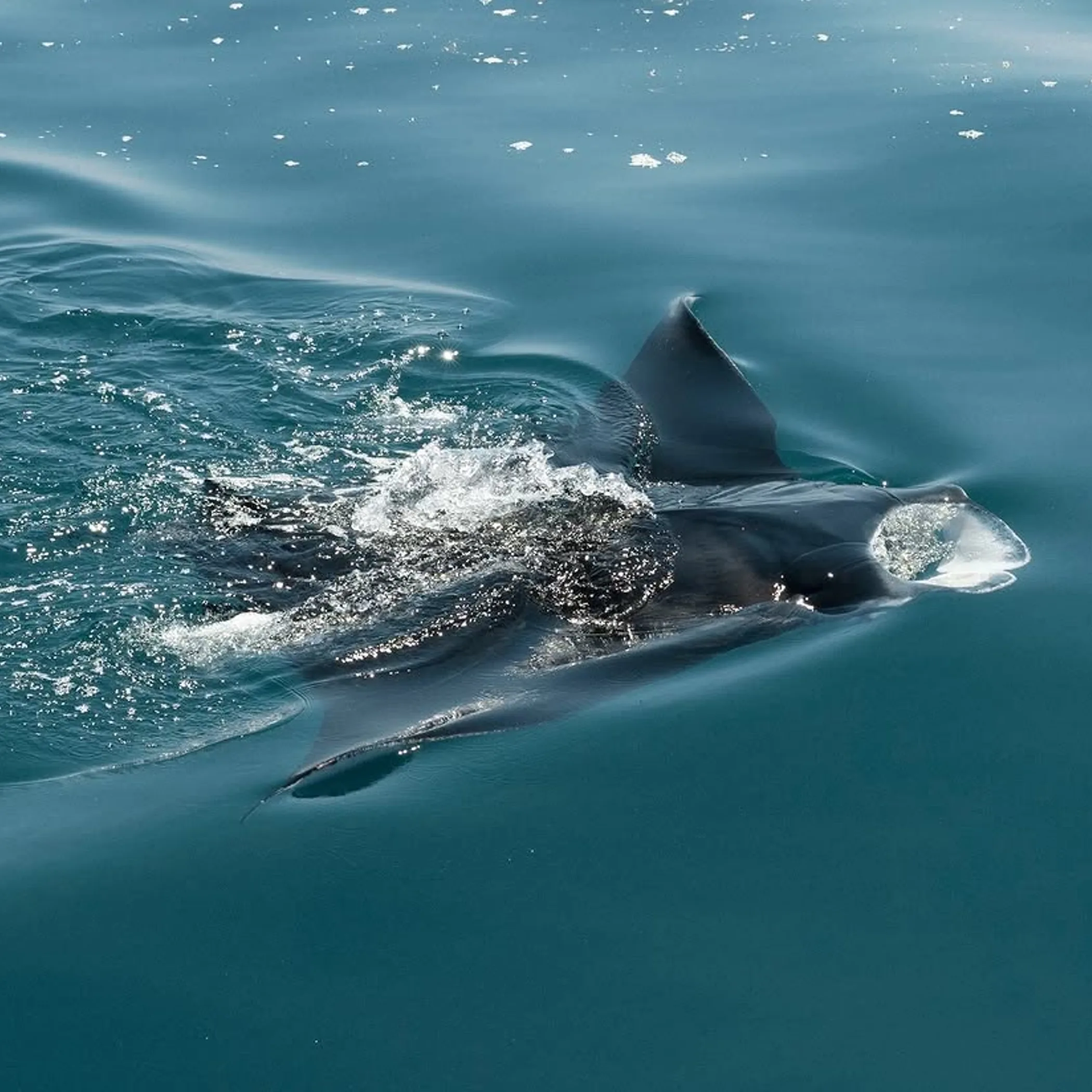
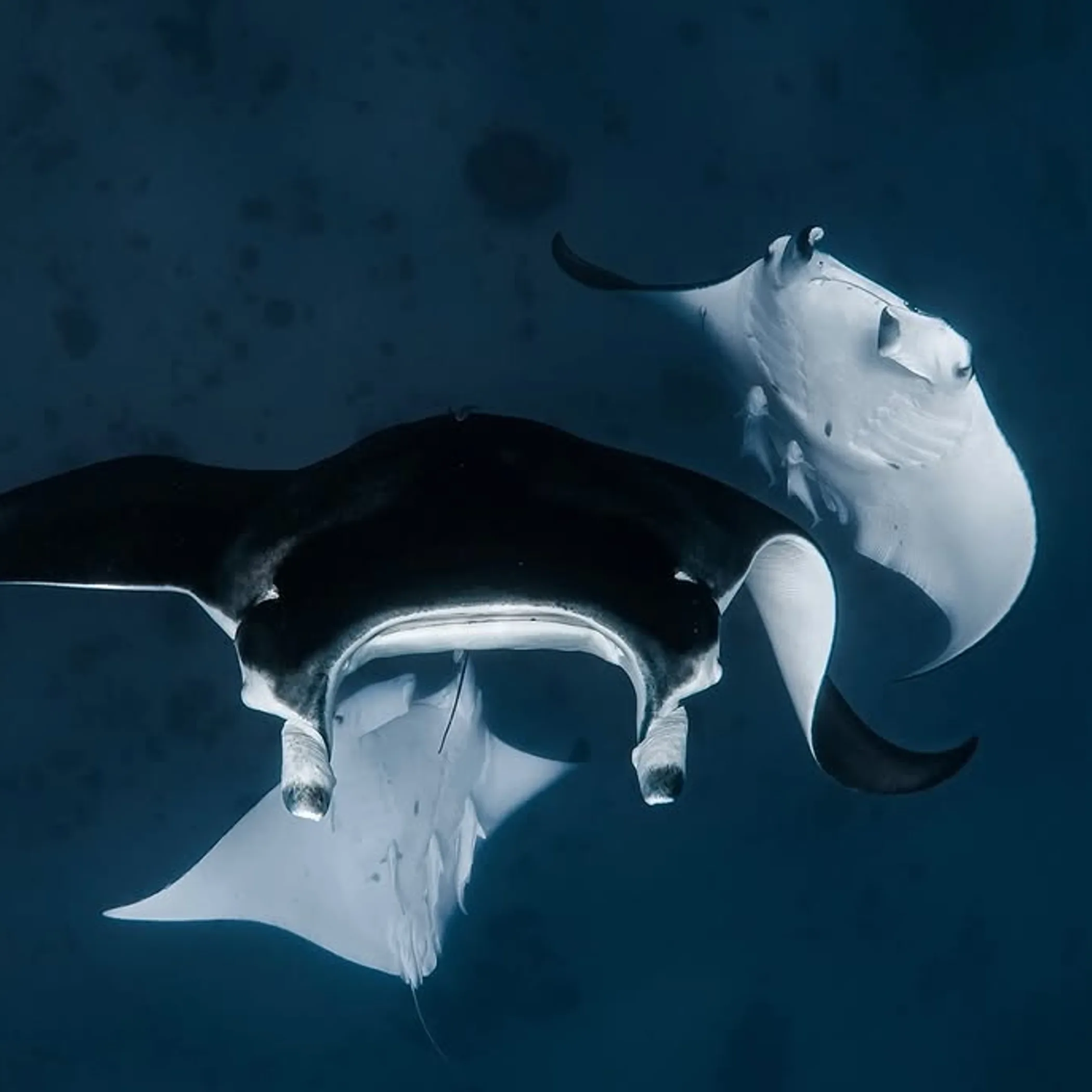
As for manta rays in Ningaloo, you will generally be looking at late autumn to spring, though Exmouth and Coral Bay hotspots can vary. Humpbacks come and go through winter and spring.
There is no need for the worst of the heat with these seasons. You might miss out on whatever is the headline act of the month but the trip is often all the better for it.
Pick The Right Base
Exmouth, Coral Bay and the rest of the Ningaloo coast are not interchangeable. Yet people conflate them and are left with a trip that was costly or did not suit them.
Your choice of accommodation will determine your drive times and how often you are in the car complaining of sunscreen on the upholstery.
Exmouth For Range
For options Exmouth is hard to beat. There is more to way of accommodation and tours than in the smaller places and it puts the Cape Range beaches, boat tours and the various Ningaloo Marine Park seasons within reach, not to mention road-trip possibilities.
Getting there from Perth is a matter of flying or driving. A flight is a time saver. To drive the 1,200 odd kilometres is a proper undertaking and requires some forethought with fuel and rest stops if you are not accustomed to the long regional run.
Coral Bay For Easy Reef Access
For the traveller in search of a no-fuss arrangement and to be on the water in short order, the marine life at Coral Bay is ideal. The reef is but a stone’s throw from the shore, an asset for families and the more laid-back snorkeller who has no desire to be on a boat for every bit of wildlife they see.
Getting to town and parking is less of an issue than in some of the bigger centres, though you will find accommodation in short supply during the prime wildlife months. Make your booking in good time then, particularly for school holidays or if a beachside stroll is part of the plan.
Priorities on the Ningaloo Coast
How you put your trip together is up to you. A single day is better spent on a humpback or whale shark excursion out of Exmouth or a leisurely day of snorkelling and beach at Coral Bay. Do not attempt both in a hurry; you will have too much driving and little time on the reef for it.
Those unaccustomed to open-water swims may find the physical demands of a wildlife encounter off-putting. When in doubt about deep water, opt for a guided lagoon outing, something with a glass bottom or simply stay inshore.
Make of the weather what you will
On the Coral Coast one does not make light of the weather. It dictates your comfort and visibility and can even keep a costly tour tied up in the marina. Then there is the matter of conservation: WA coral bleaching and the threat of a marine heatwave are concerns that factor into any plan. Hot water puts stress on the coral and it can be hard on the reef even in years when the wildlife is on show.
Wind and visibility
You might get better clarity in the water once the worst of the weather has passed, yet a local wind can put an end to it all. A fine day on land is no assurance of easy snorkelling should the sea be in a chop or agitated by a swell. Autumn, winter and spring are preferred by most for a dip in the Ningaloo on account of the strong clarity and agreeable temperatures. But give us a protected beach on a blustery day over some well known exposed spot any day.
Bleaching and heatwaves
Coral condition is under close watch by reef managers and the Australian Institute of Marine Science (AIMS) in the wake of recent bleaching. Resilient Reefs Ningaloo has made much of the fact that long term climate pressures need managing as much as tourism does. For the official word on safety and management from the Western Australia DBCA marine parks information, consult their marine parks information. A wise move before setting out in the warmer months when access advice or heatwave conditions may have changed.
Do not be a nuisance
Every day travellers have an impact on the wildlife, whether it is in the way they go about a turtle beach or stand on coral while preoccupied with a mask. Conservation is not the sole province of the park staff in their pressed shirts. As Natalie Nowak would put it, these are not a pool with fish in them so leave the magic alone. Ningaloo is a habitat, not a prop for the camera.
Heed the operator and give the animals room.
There is no standing on coral or making after a ray or turtle.
See to your permits and sanctuary zone regulations in advance.
Wear a rash vest and make use of shade and timing to limit the amount of sunscreen in the water.
Be quiet and dim the lights on a nesting beach.
Put some thought into the planning
You can tell if a reef holiday is going to be any good by this. The postcard stuff is simple enough, but without the practical side you could be left cursing a leaky mask you did not check, or fully booked tours, or half your time gone looking for fuel. Tourism Western Australia makes it look like a dream but the reality is the distances are considerable and stock runs low. Allow yourself some slack in the schedule and regional travel is all the better for it.
Access, Timing and Costs
A boat tour to see the whale sharks and other wildlife will be a premium outlay in most cases, running to several hundred AUD a head or more for what is included. You will find the same with accommodation at peak times and with your basic groceries and meals; they are not as cheap as in the metro.
Do not be under the impression that you can put in quick time driving from one place to another. Between refuelling and the need for caution with wildlife at first and last light, a coastal drive has its own stop-start rhythm. Coming from Perth? Make it two drives rather than one. A heroic effort to do it all in one go is no way to begin a holiday.
Where people err
It is an easy thing to overbook your itinerary. One puts in a national park excursion, a day of snorkelling, a whale shark swim and a sunset on the beach in succession, only to have wind and logistics and plain old fatigue put paid to the plan.
Then there is the matter of dressing for the brochure instead of what the day throws at you. Put in a hat, some good sandals, a dry bag, a refillable bottle of water and a long-sleeve top for the sun. And something to keep off the chill of a morning launch on the boat, which can be colder than you think even in these climes.
For a single day, Exmouth makes for a fine flagship wildlife tour, or head to Coral Bay where the snorkelling is readily at hand.
Travelling with children means short drives and some time on the reef from the shore rather than a full schedule.
Prone to seasickness? Do not make a whale shark swim your sole major event.
In summer you will want shade and a back-up indoors.
As for the state of the reef, any responsible operator will tell you how they handle site pressure and group sizes when you ask.
Some answers to common questions
You will have been to three sites and found yourself none the wiser for it. We can understand that.
Is there an ideal month?
Not really. April through July is when you will get the best of the whale sharks and wildlife, but if a more laid-back snorkel in milder weather is what you are after, try August to October. It comes down to what you are setting out to do.
Reef wildlife from the shore?
In accessible parts of Ningaloo Reef and Coral Bay you certainly can. For the big ones like a Ningaloo whale shark you are going to need a licensed tour.
Summer?
More demanding, nothing more. The turtle activity is worth it but the heat and the risk of a marine heatwave or cyclone weather can be unforgiving.
When to book?
Get in early for the headline tours in the autumn months at least. Wait too long and you may be without options or pay more for it.
Bleaching a concern?
One should be mindful of the reef and how conditions alter, but there is no call to panic or shun the area altogether. Stay informed via DBCA and AIMS and pick your operators accordingly.
The bottom line
Take the WA coral reefs marine life calendar as your guide: autumn for the whale sharks and coral, winter and spring for a bit of variety and comfort, and in summer for the turtles if the heat is not a problem. That is the logic of a proper visit to the reef.
Were I to put together a plan for a friend I would start by asking what he wants to be recounting when he gets home. Let the itinerary have some room to breathe and let places like Exmouth and the Ningaloo Reef have their way with the timing.
